
Understanding the Role of Dialog Editing in Film Production


What is Dialog Editing?
Dialog editing is a crucial component of film production that often goes unnoticed by audiences. It involves refining and perfecting the spoken elements of a film to ensure clarity, coherence, and emotional impact. This process is essential for maintaining the flow of the narrative and enhancing the viewer's experience.
In essence, dialog editing focuses on removing unwanted sounds, aligning audio with visual elements, and ensuring consistency in volume and tone. Without this meticulous work, even the most compelling stories can lose their impact.

The Role of a Dialog Editor
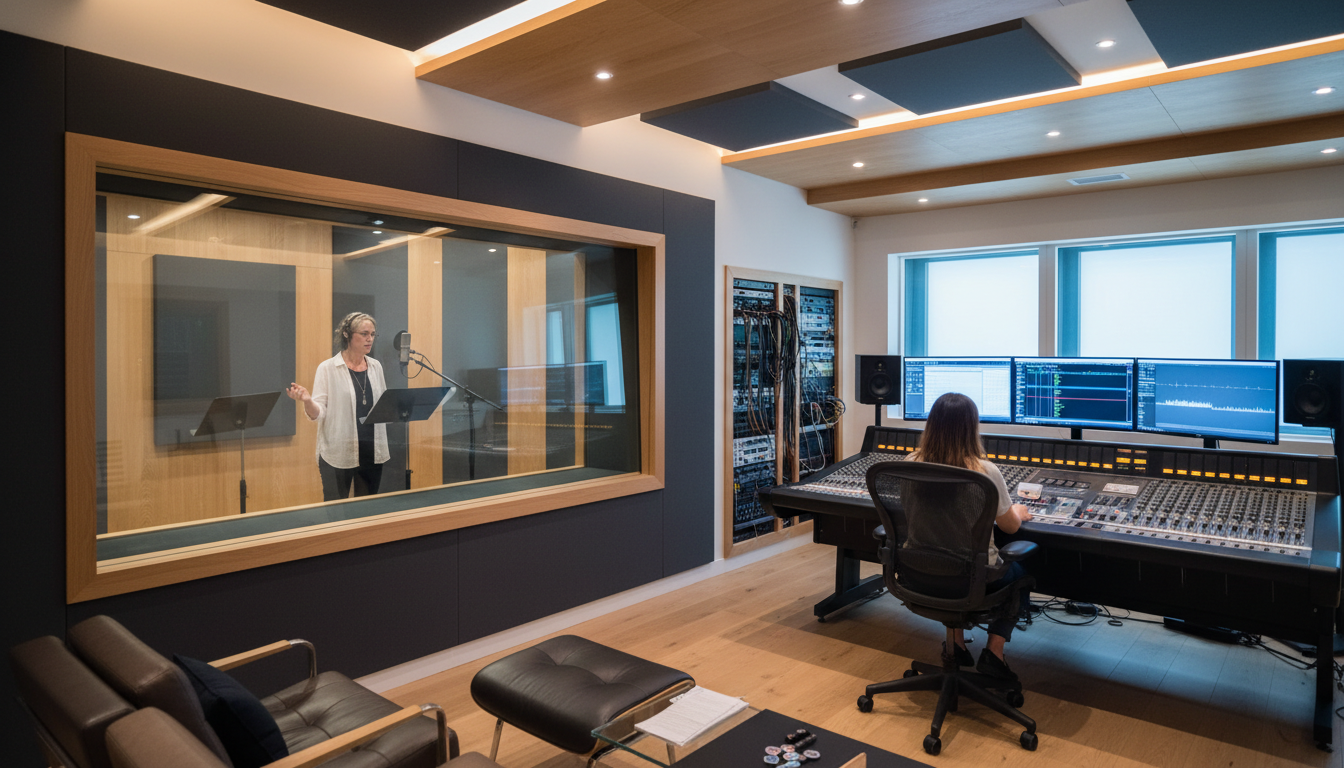
A dialog editor is responsible for ensuring that the spoken words in a film are clear and engaging. They work closely with the director and sound team to achieve the desired auditory experience. This involves selecting the best takes, synchronizing audio with video, and addressing any inconsistencies or background noise.
Furthermore, dialog editors may need to recreate missing dialog through a process known as Automated Dialog Replacement (ADR). This ensures that any issues with the original recording do not detract from the film's quality.
Steps in Dialog Editing
The process of dialog editing typically involves several key steps:
- Reviewing the Raw Footage: Dialog editors start by examining the raw audio and video to identify areas that require improvement.
- Selecting the Best Takes: They choose the most effective takes that convey the intended emotion and meaning.
- Synchronization: Aligning audio with visual elements is crucial to maintain a seamless viewing experience.
- Noise Reduction: Editors remove unwanted sounds and background noise to ensure clarity.
Challenges in Dialog Editing
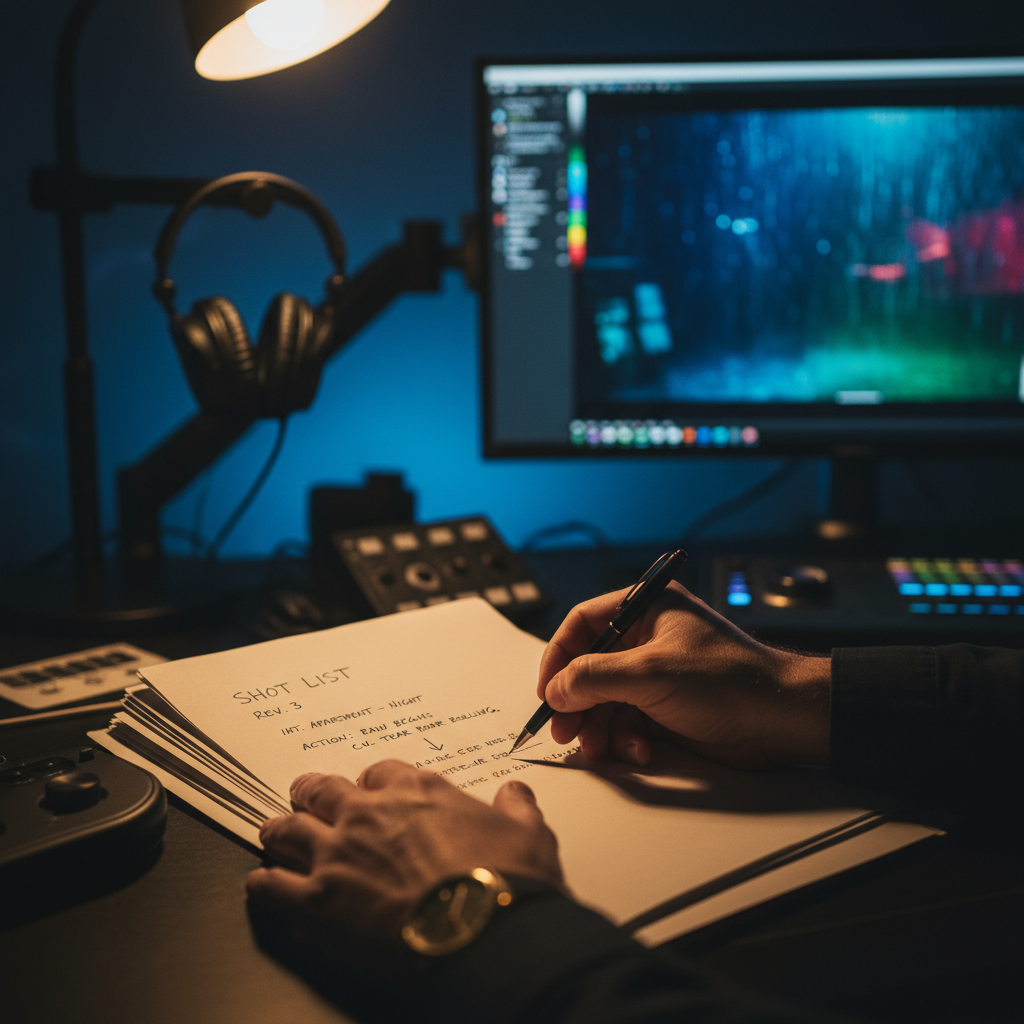
Dialog editing can be challenging due to factors such as background noise, inconsistent audio levels, and overlapping dialog. Editors must employ advanced tools and techniques to address these issues effectively. Additionally, maintaining the emotional tone and pacing of the dialog is critical, requiring both technical skill and artistic intuition.
Despite these challenges, dialog editing is indispensable for creating high-quality films that resonate with audiences.
Technological Advances
With advancements in technology, dialog editing has become more efficient and precise. Software tools now offer features such as noise reduction, pitch correction, and audio alignment, allowing editors to enhance the quality of dialog with greater ease.
These innovations have transformed dialog editing from a time-consuming task into a more streamlined process, enabling editors to focus on creative aspects rather than technical limitations.
Conclusion
In summary, dialog editing is a vital aspect of film production that ensures the clarity and emotional impact of a film's spoken elements. Through careful selection, synchronization, and noise reduction, dialog editors play a key role in bringing a director's vision to life. As technology continues to evolve, the art of dialog editing will undoubtedly progress, further enhancing the cinematic experience for audiences worldwide.