
Understanding Dolby Atmos: Revolutionizing Film Experiences


What is Dolby Atmos?
Dolby Atmos is an advanced sound technology that has transformed the way we experience audio in films. Unlike traditional surround sound systems, which are limited to specific channels, Dolby Atmos creates a multi-dimensional sound experience that immerses the viewer in the audio environment. This technology allows sound to move around in a three-dimensional space, offering a more realistic and dynamic listening experience.
The system achieves this by utilizing overhead speakers and advanced algorithms that place each sound precisely in the environment. This creates a sense of height and depth, enveloping the audience in a cocoon of sound. Whether it's the rustling of leaves or the roar of an aircraft, Dolby Atmos ensures that every sound is as lifelike as possible.
The Technology Behind Dolby Atmos
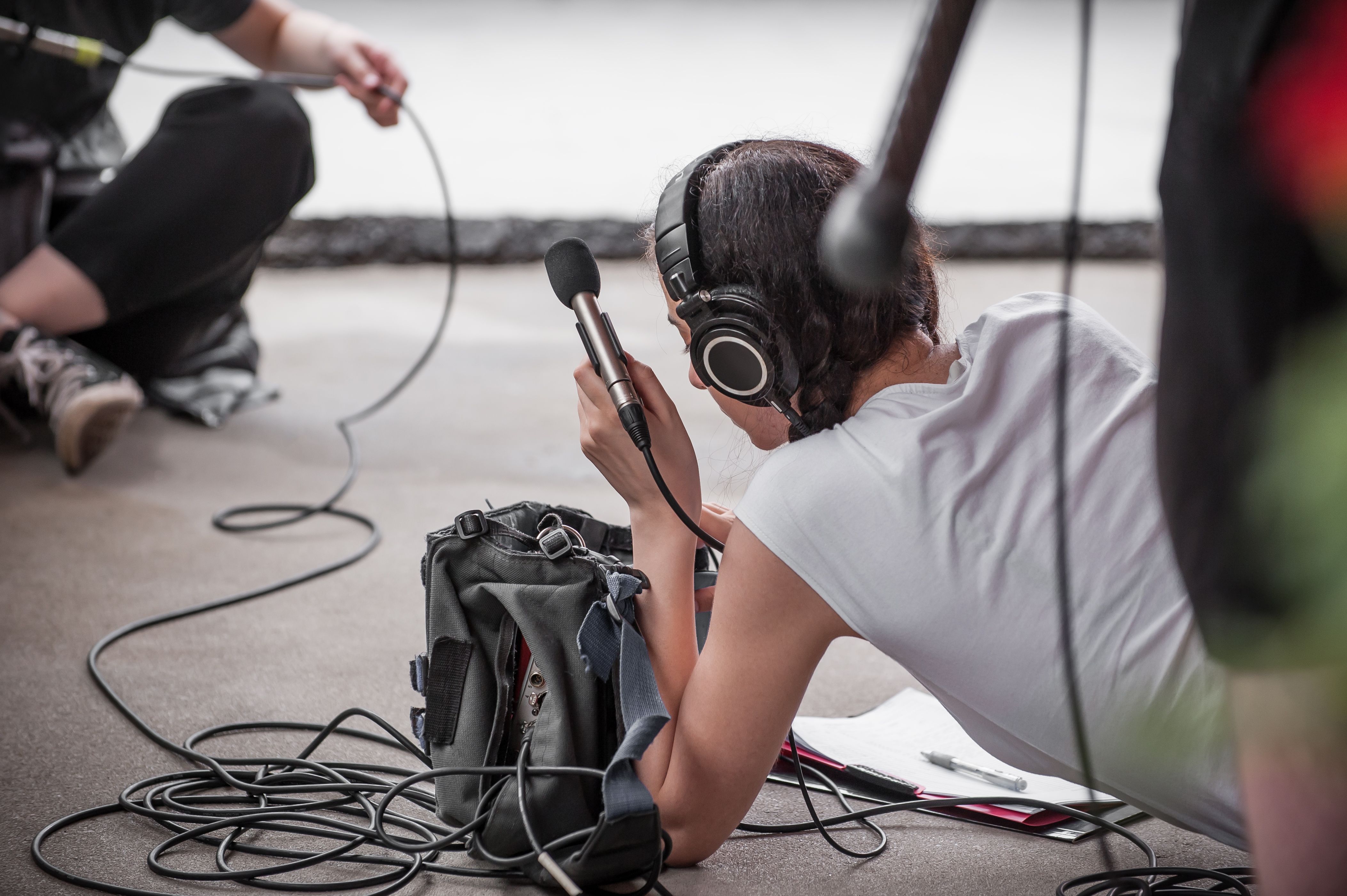
Dolby Atmos employs object-based audio technology, allowing sound engineers to treat each sound as an individual entity or "object." This means they can position sounds anywhere in a 3D space, independent of traditional channel limitations. For example, a helicopter could fly overhead, and the sound would follow its movement across the screen.
This is made possible through metadata that tells the system how to render each sound object in real-time. The result is a versatile audio experience that adapts to various speaker configurations, ensuring optimal performance whether you're in a high-tech cinema or enjoying a film at home with a compatible sound system.
The Impact on Filmmaking
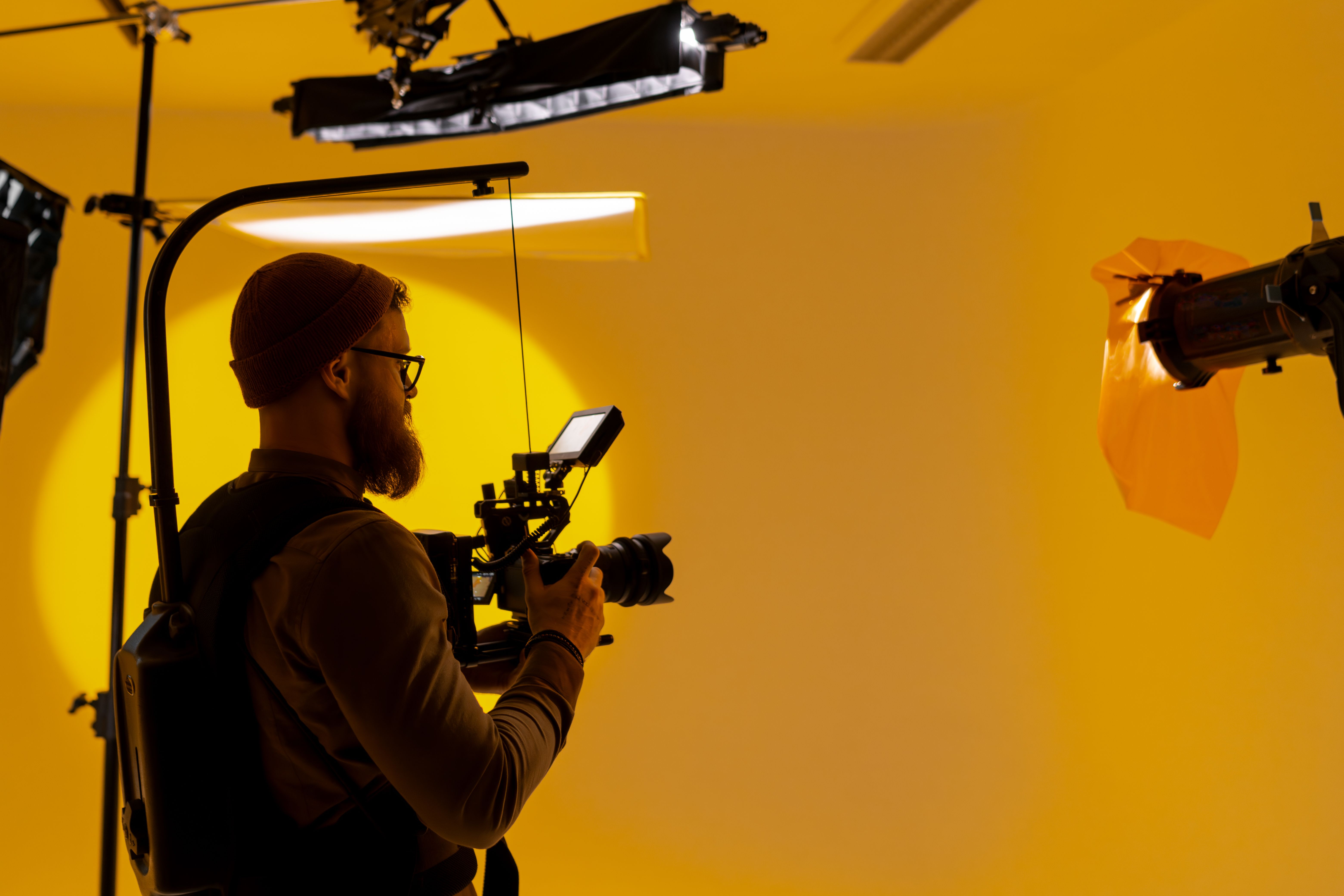
Dolby Atmos has opened new creative possibilities for filmmakers and sound designers. With the ability to create a three-dimensional soundscape, filmmakers can enhance storytelling by immersing audiences in the world of the film. This added dimension of audio can evoke emotions, build tension, and bring scenes to life in ways that were previously impossible.
Advantages for Cinemas and Home Theaters
Cinemas equipped with Dolby Atmos offer an unparalleled viewing experience that draws audiences into the film's universe. The technology not only improves sound quality but also increases audience engagement by making them feel like part of the action. It's no wonder that many blockbuster films are now being produced with Dolby Atmos soundtracks.
For home theater enthusiasts, Dolby Atmos provides a significant upgrade over traditional surround sound systems. Many modern AV receivers and soundbars support Dolby Atmos, making it accessible to consumers who want to recreate the cinema experience at home. With overhead speakers or upward-firing drivers, viewers can enjoy rich, enveloping audio that rivals a theater setting.
Dolby Atmos in Other Media
Beyond films, Dolby Atmos is making its way into other forms of media such as music and gaming. Artists and producers are experimenting with this technology to create immersive tracks that position instruments and vocals around the listener. In gaming, Dolby Atmos can enhance realism by accurately portraying environmental sounds and spatial cues.

The Future of Dolby Atmos
As more content creators adopt Dolby Atmos, the technology continues to evolve and expand its reach. With increasing demand for immersive experiences, it's likely that Dolby Atmos will become a standard in more industries beyond entertainment. The rise of virtual reality and augmented reality also presents exciting opportunities for further integration of this revolutionary audio technology.
In summary, Dolby Atmos represents a significant leap forward in audio technology, reshaping how we perceive sound in various media. Its ability to create a lifelike audio experience is transforming storytelling and bringing audiences closer to the action than ever before.