
Understanding Cinematic Sound Design: Techniques and Benefits


Introduction to Cinematic Sound Design
In the world of film, sound design is as crucial as the visuals. It shapes the audience's experience, enhancing emotions and immersing viewers into the story. Understanding the techniques and benefits of cinematic sound design can deepen one's appreciation for this art form and its impact on storytelling.
Sound design in cinema involves more than just dialogue and music. It encompasses all auditory elements that contribute to the film's atmosphere. From subtle ambient sounds to dramatic effects, each component is meticulously crafted to serve the narrative.

Techniques in Sound Design
Foley Artistry
Foley artistry is a technique where everyday sounds are recreated and synchronized with the on-screen action. This includes footsteps, rustling clothes, and other ambient noises that bring scenes to life. Foley artists are skilled at using various props to produce these sounds, ensuring they match the visual elements seamlessly.
Soundscapes and Atmosphere
Creating a believable soundscape is essential for building a film's environment. Sound designers layer multiple audio tracks to construct a rich tapestry of sounds that transport audiences to different settings, whether it's a bustling city or a serene forest. This technique enhances realism and helps viewers immerse themselves in the film's world.
Use of Silence
Sometimes, silence can be more powerful than sound. Strategic use of silence in films can heighten tension, emphasize dramatic moments, or provide relief. This technique allows audiences to focus on visual cues or anticipate upcoming events, making it an effective tool in storytelling.
The Benefits of Effective Sound Design
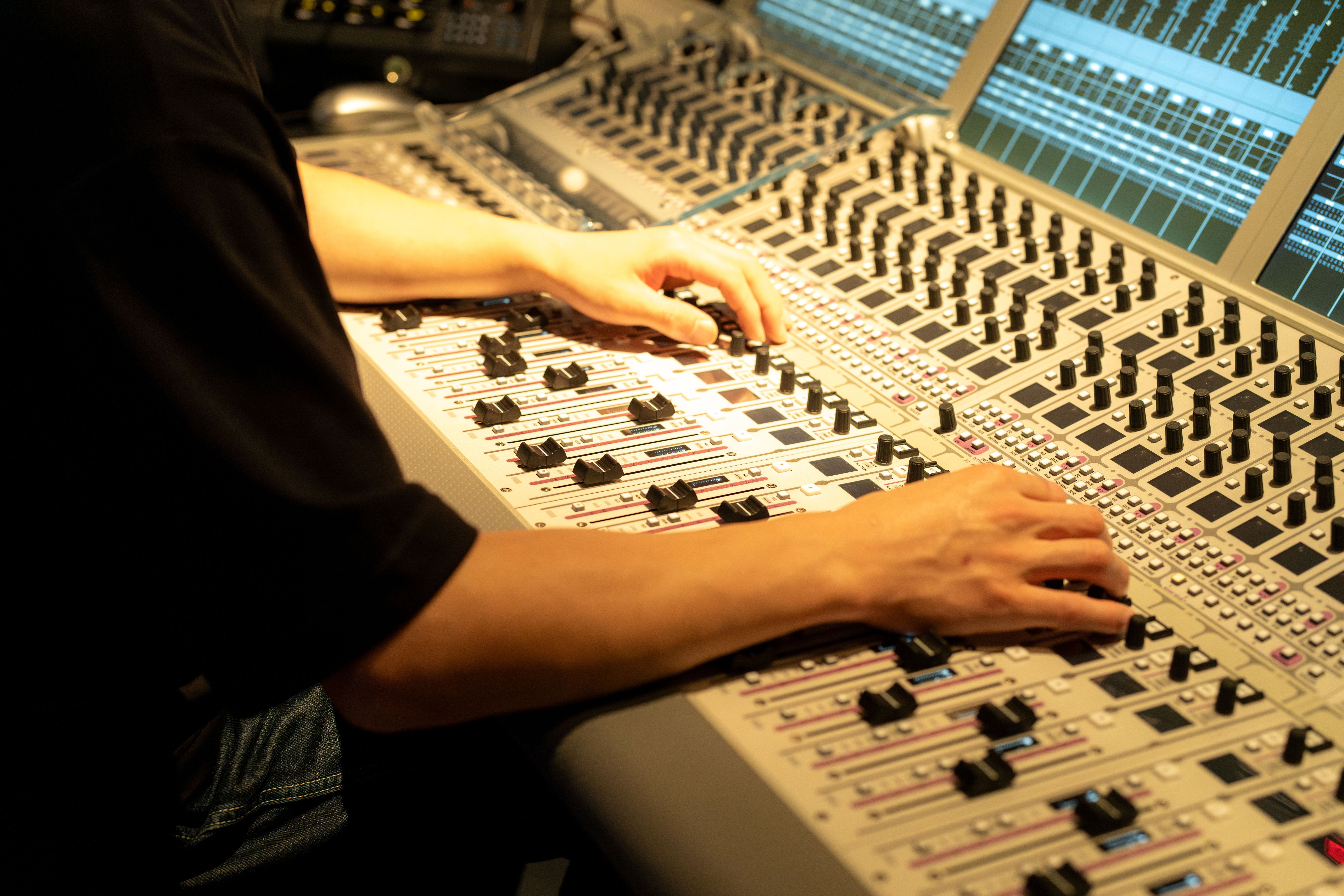
Effective sound design offers numerous benefits that enhance the overall film experience. It serves as an emotional guide, influencing how audiences perceive and react to scenes. A well-designed soundtrack can evoke fear, joy, sadness, or excitement, amplifying the emotional impact of the narrative.
Moreover, sound design aids in storytelling by providing context and depth. It can reveal character traits, hint at plot developments, or set the tone for a scene. For instance, eerie sounds can foreshadow danger, while cheerful music can signal a positive turn in the story.
Conclusion
Cinematic sound design is a powerful tool that elevates films beyond mere visuals. By employing techniques such as Foley artistry, soundscapes, and strategic use of silence, filmmakers can create immersive and emotionally impactful experiences. Understanding these techniques not only enhances appreciation for this art form but also highlights the critical role sound plays in storytelling.
As viewers become more aware of the intricacies of sound design, they gain a deeper understanding of its contribution to cinema's magic. Whether it's the subtle rustle of leaves or a dramatic orchestral score, sound design continues to be an integral part of the cinematic experience.