
Top Audio Post-Production Techniques for Film and Video Games


Understanding the Basics of Audio Post-Production
Audio post-production is a crucial phase in the creation of films and video games, where sound is meticulously crafted to enhance the visual narrative. This process involves various techniques that ensure the audio complements and elevates the viewer's or player's experience. Whether you are working on a blockbuster film or an indie game, understanding these techniques can significantly impact your project's success.
Sound Editing and Design
The first step in audio post-production is sound editing. This involves organizing, trimming, and synchronizing audio clips with visual elements. Sound design, on the other hand, is the art of creating new sounds that match the narrative. A well-designed soundscape can add depth to a scene, making it more immersive and engaging for the audience.
Sound designers often use a combination of recorded sounds and synthetic audio to create unique sound effects. Tools like digital audio workstations (DAWs) are essential for manipulating sounds and achieving the desired effect. The goal is to create a seamless audio experience that feels natural yet dynamic.

Foley Artistry
Foley artistry involves the reproduction of everyday sound effects that are added to films and video games in post-production. These sounds range from footsteps and clothing rustles to more intricate effects like a sword clashing or a door creaking. Foley artists use various props and techniques to create these sounds in sync with the action on screen.
The subtlety of Foley artistry is what makes it so effective. By enhancing the realism of the environment, it allows audiences to become more engrossed in the story being told. In video games, Foley can also help players feel more connected to their avatars and surroundings.
Mixing and Balancing Audio
Once all the individual audio elements are recorded and edited, they must be mixed together. Audio mixing involves adjusting levels, panning sounds to different speakers, and applying effects like reverb or delay to create a cohesive sound environment. Proper mixing ensures that dialogue, music, and sound effects are balanced and complement one another.
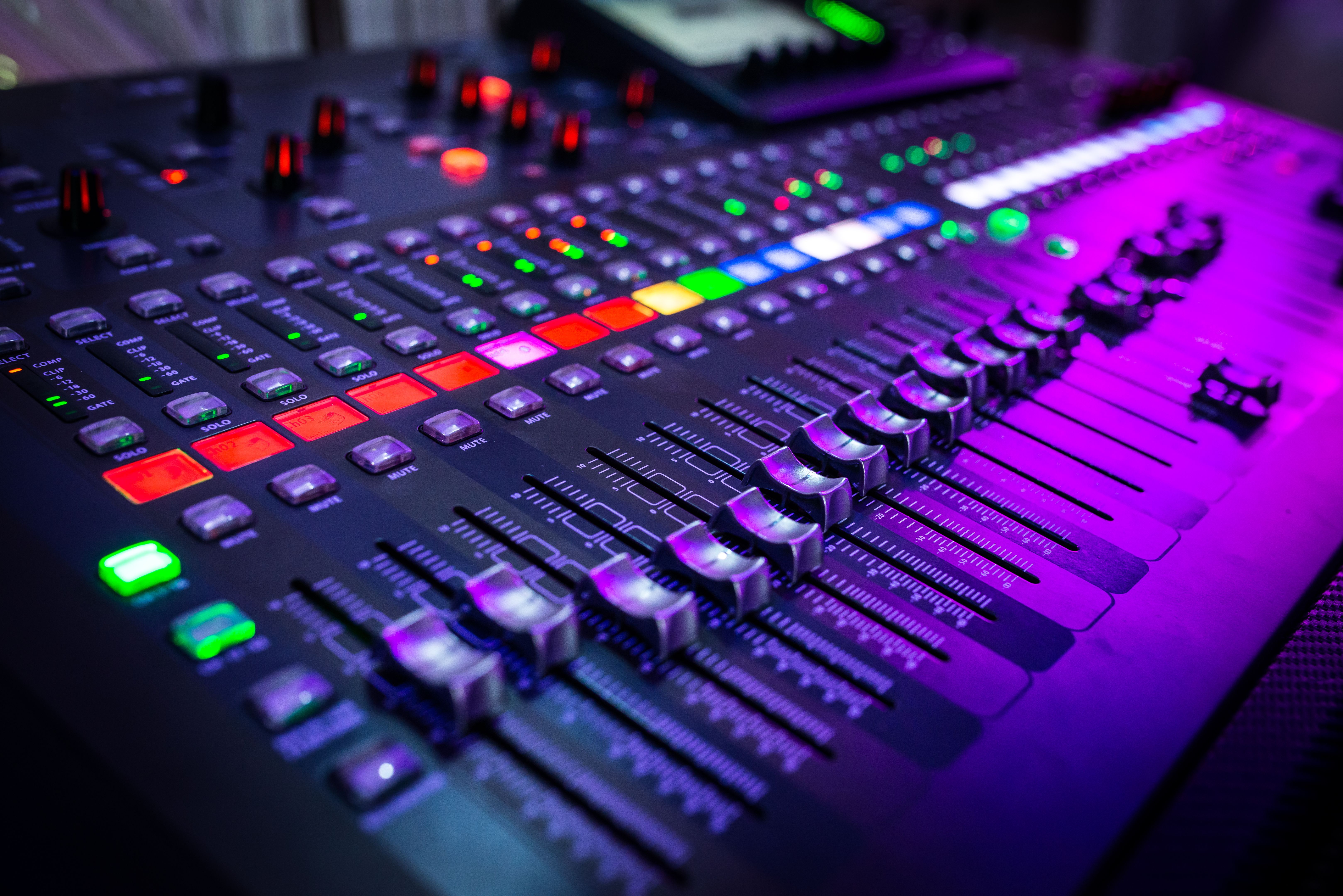
Balancing audio is particularly important in both films and video games where different audio cues compete for attention. A well-mixed audio track can guide the audience's focus, highlight critical narrative moments, and maintain engagement throughout the experience.
Mastering for Final Output
The final stage of audio post-production is mastering. This process prepares the audio for distribution by ensuring it translates well across various playback systems. Mastering involves adjusting the final mix to optimize volume levels, equalization, and dynamic range.
In the context of films and video games, mastering ensures that the audio maintains its integrity whether it's being played in a theater, on a console, or through headphones. A well-mastered soundtrack will enhance the overall quality and professionalism of the project.
The Role of Technology in Audio Post-Production
Advancements in technology have revolutionized audio post-production. Software tools now offer unprecedented control over sound manipulation and design. Virtual reality (VR) and augmented reality (AR) experiences, in particular, demand innovative audio techniques to create believable environments.
For those involved in film and video game production, staying updated with the latest technological trends is crucial. Embracing new tools and techniques can lead to more creative solutions and push the boundaries of what's possible in audio storytelling.
Collaborating with Other Departments
Effective audio post-production requires collaboration with other departments such as directors, editors, and animators. Communication is key to ensuring that the audio aligns with the director's vision and complements the visual elements seamlessly.

Regular meetings and feedback sessions can help refine the audio elements to better serve the narrative. By working closely with other team members, audio professionals can ensure a harmonious blend of sound and visuals.
In conclusion, mastering these top audio post-production techniques can greatly enhance any film or video game project. From sound design to mastering, each step plays a critical role in delivering a captivating and immersive experience for audiences everywhere.