The Role of Audio Mastering in Creating Cinematic Soundscapes


Understanding Audio Mastering
Audio mastering is a crucial step in the music production process that often goes unnoticed by the general audience. This final stage of audio post-production enhances the sound quality of a recording, ensuring it is polished and cohesive. In the context of creating cinematic soundscapes, mastering plays a significant role in delivering a rich, immersive auditory experience.
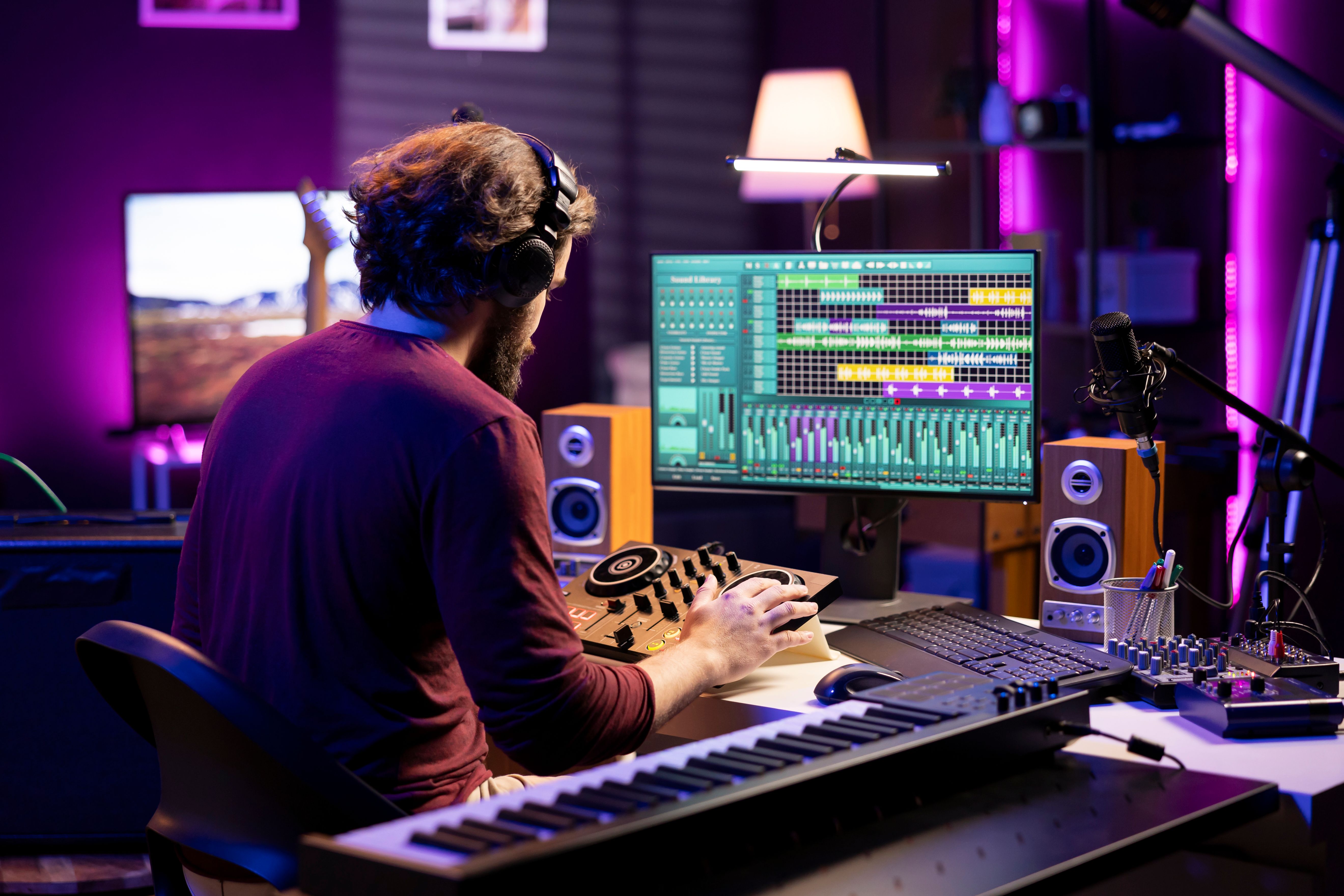
Mastering involves adjusting levels, equalizing tracks, and compressing audio to ensure a balanced sound. It is the bridge between the mixed audio and the final distribution, making certain that the soundtrack sounds optimal across different playback systems. This step is particularly important in films, where the soundscape needs to complement and elevate the visual storytelling.
The Importance of Soundscapes in Film
Cinematic soundscapes are essential in creating an emotional connection with the audience. They encompass all the audio elements in a film, including dialogue, music, and sound effects. A well-crafted soundscape can transport viewers into the world of the movie, making them feel as though they are part of the story.
Mastering ensures that these elements are mixed seamlessly, providing clarity and depth to each component. When done correctly, it enhances the cinematic experience, allowing viewers to be fully immersed in the film's atmosphere. The subtle nuances introduced during mastering can make a significant difference in how audiences perceive and react to a scene.

Steps in Audio Mastering for Films
Audio mastering for film involves several key steps:
- Equalization: Adjusting frequencies to ensure clarity and balance across all sound elements.
- Compression: Controlling dynamic range to maintain consistency in volume levels.
- Stereo Enhancement: Creating a wider stereo image for a more expansive sound.
- Limiting: Preventing distortion by capping peak levels.
Each of these steps requires a meticulous approach to maintain the integrity of the original recording while enhancing its overall quality. Mastering engineers use specialized software and equipment to achieve these results, tailoring their techniques to suit the specific needs of each project.
The Impact of Technology on Audio Mastering
Advancements in technology have significantly influenced audio mastering, offering new tools and techniques for sound engineers. Digital audio workstations (DAWs) and plugins have revolutionized the way mastering is conducted, providing greater precision and flexibility.
This technological progress has allowed for more detailed manipulation of soundscapes, enabling engineers to create more complex and dynamic audio experiences. As filmmakers continue to push the boundaries of storytelling, mastering engineers are equipped with innovative solutions to meet these creative demands.

The Collaboration Between Sound Engineers and Filmmakers
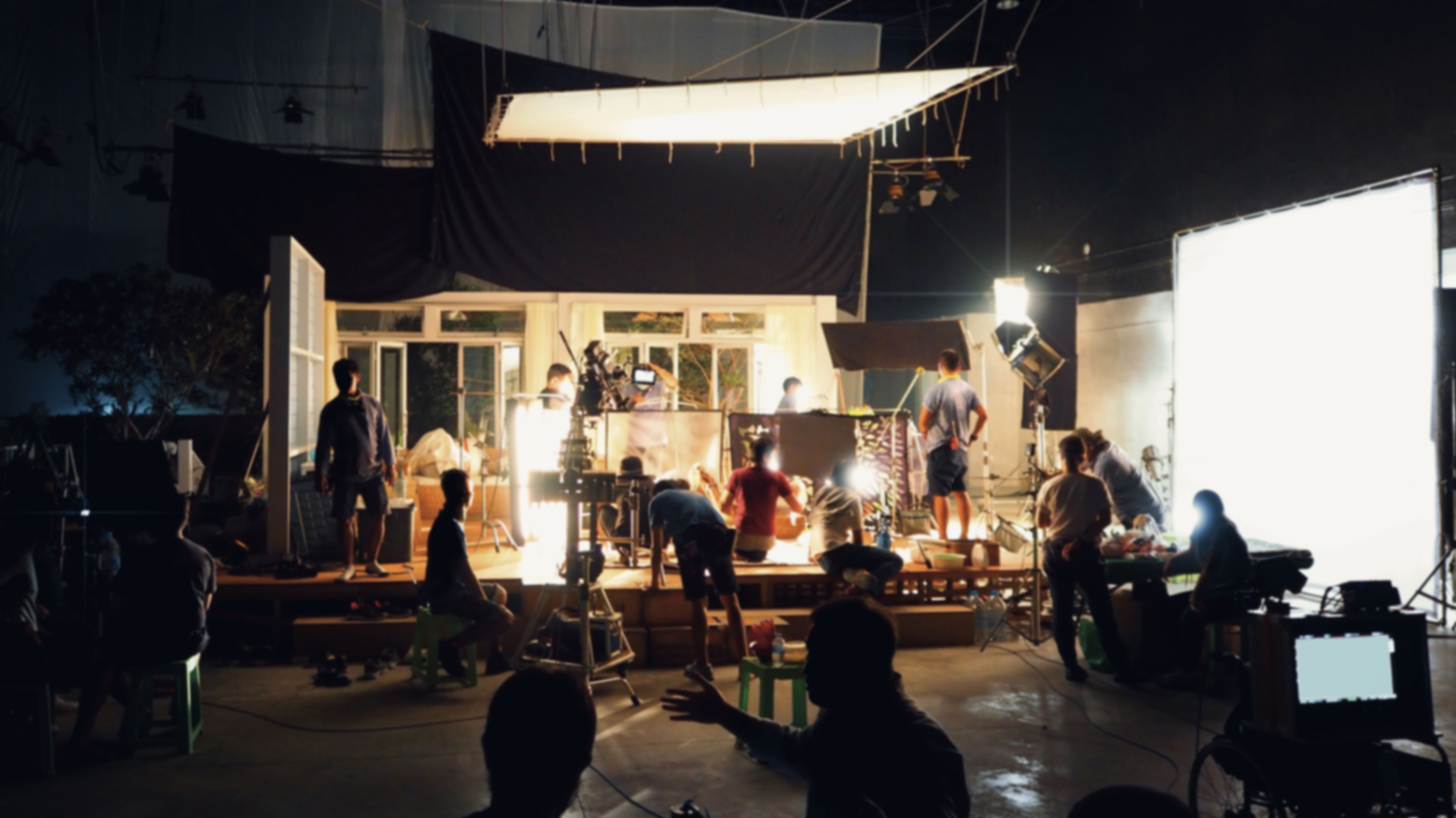
The creation of cinematic soundscapes is a collaborative effort between filmmakers and sound engineers. Directors often have a vision for how they want their film to sound, and it is up to the mastering engineer to bring this vision to life. Communication is key in this process, ensuring that both parties are aligned on the desired outcome.
This collaboration extends beyond technical execution; it also involves a shared understanding of how sound can enhance narrative and evoke emotions. By working closely together, filmmakers and engineers can craft a soundtrack that resonates with audiences on multiple levels.
Conclusion: The Art of Audio Mastering
In conclusion, audio mastering is an art form that plays an integral role in creating compelling cinematic soundscapes. It requires a blend of technical expertise and creative insight to produce a soundtrack that complements the visual elements of a film. Through careful manipulation of audio elements, mastering engineers help shape the overall sensory experience for audiences.
As technology continues to advance and storytelling methods evolve, the importance of mastering in film production will only grow. Those involved in this intricate process will remain at the forefront of crafting memorable audio experiences that captivate and transport viewers into new worlds.