
The Future of Sound in Video Games: Exploring Immersive Audio Techniques


Introduction to Immersive Audio
The video game industry has always been at the forefront of technological advancements, and sound design is no exception. As graphics have become more lifelike, the importance of creating an equally immersive audio experience has grown exponentially. Today, developers are exploring innovative audio techniques that promise to transform how players interact with digital worlds.
The Evolution of Sound in Gaming
From the 8-bit beeps and boops of early gaming consoles to the high-fidelity soundscapes of modern titles, audio has come a long way. Early on, sound was often an afterthought, limited by technology. However, as gaming systems evolved, so did the capabilities for richer soundtracks and intricate sound effects. This evolution has paved the way for the immersive audio experiences we see today.
One major milestone was the introduction of surround sound, which allowed players to hear sounds from all around them, enhancing the realism of game environments. Now, developers are pushing boundaries further with 3D audio technologies that offer unparalleled spatial awareness.
3D Audio: A Game Changer
3D audio is revolutionizing the way sound is perceived in games. Unlike traditional stereo or surround sound systems, 3D audio provides a more authentic representation of how we hear in real life. By simulating how sound waves interact with our ears and environment, it creates a sense of depth and directionality that is truly immersive.

This technology allows players to pinpoint the exact location of sounds, whether it's footsteps approaching from behind or the rustle of leaves in a virtual forest. The result is a heightened level of engagement and realism that draws players deeper into the game world.
Interactive Soundscapes
Beyond creating realistic environments, developers are utilizing interactive soundscapes to enhance storytelling and gameplay. Interactive audio adapts to player actions and decisions, offering a dynamic experience that changes with every playthrough.
For instance, a tense moment in a game might be accentuated by a dramatic shift in music or sound effects that respond to the player's heartbeat or movement speed. This level of interactivity not only enhances immersion but also makes each player's experience unique.

Binaural Audio: Beyond Stereo
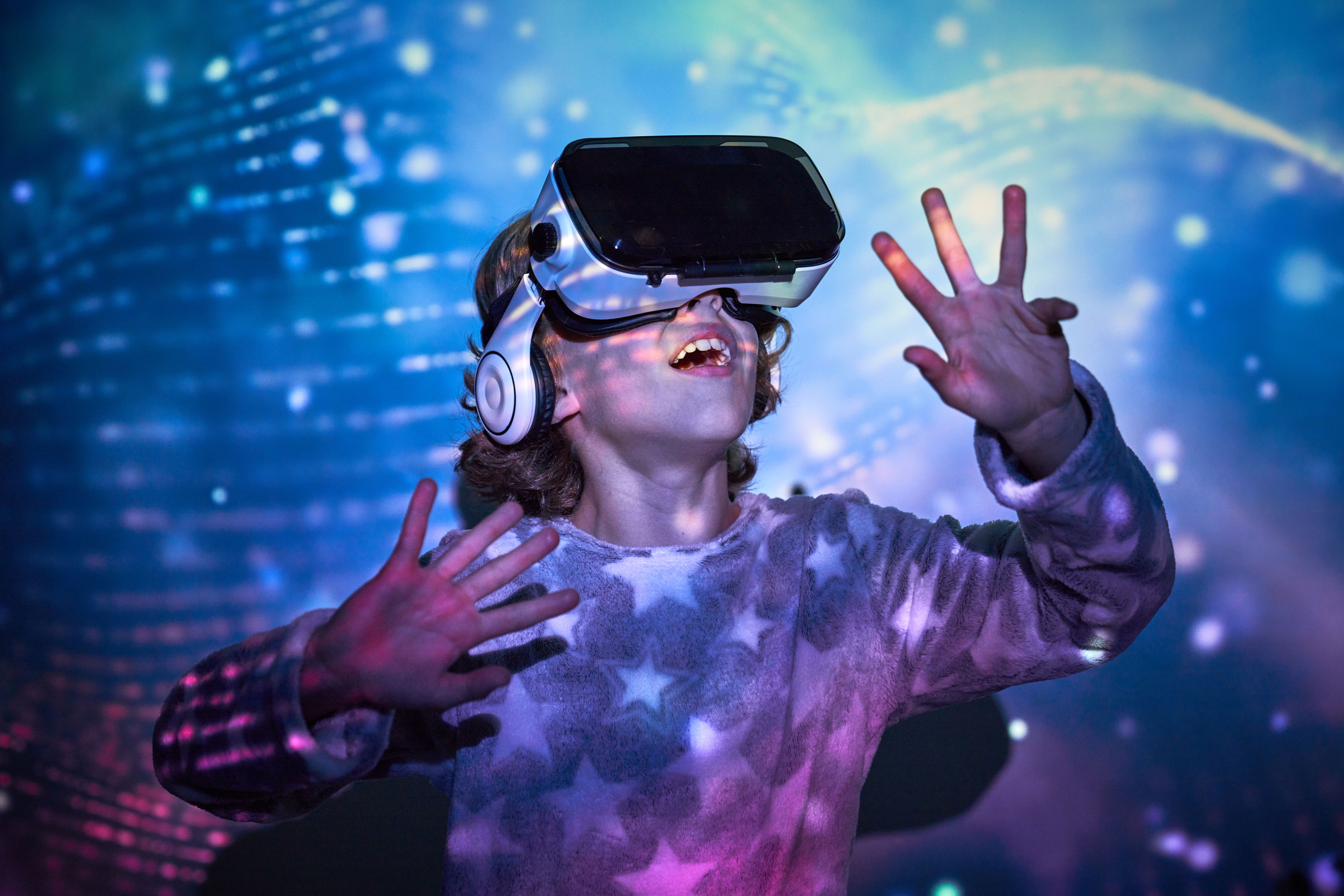
Binaural audio is another exciting frontier in gaming sound design. By mimicking the way humans naturally process sound with two ears, binaural audio creates a three-dimensional auditory experience through standard headphones. This technique is particularly effective in virtual reality (VR) games, where spatial awareness is crucial.
Players can experience sounds as if they were in a real-world setting, with audio cues coming from specific directions and distances. This adds an extra layer of realism to VR experiences, making them more immersive than ever before.
The Future of Game Audio
Looking ahead, the future of sound in video games seems promising. With advancements in AI and machine learning, developers are beginning to explore adaptive audio systems that can learn from player behavior and personalize soundscapes accordingly.
- Real-time audio rendering for dynamic environments
- Procedural sound generation for unique experiences
- Integration with wearable technology for personalized soundscapes

These innovations will undoubtedly open new avenues for storytelling and gameplay, offering players an even more engaging and immersive experience.
Conclusion
The future of sound in video games is bright and filled with possibilities. As technology continues to evolve, so will the techniques used to create immersive audio experiences. Whether through 3D audio, interactive soundscapes, or binaural techniques, the next generation of games promises to captivate players not just visually, but auditorily as well.