
The Art of Sound Design: Creating Engaging Audio for Films and Games


Understanding Sound Design
Sound design is a crucial element in the creation of both films and video games. It involves the art of crafting auditory experiences that enhance visual storytelling, evoke emotions, and immerse audiences into the narrative. Whether it's the thrilling roar of a dragon in a fantasy game or the subtle background ambiance in a dramatic film, sound design elevates the viewer's experience, making it more engaging and memorable.
The role of a sound designer is multifaceted. They must possess a keen understanding of both technical and creative aspects. This includes the ability to use sophisticated audio software, capture and manipulate sounds, and seamlessly integrate these into the visual content. In essence, sound designers are the unsung heroes who breathe life into stories with their auditory magic.

The Process of Creating Soundscapes
Creating soundscapes involves several stages, starting with understanding the script or game plot. A sound designer must first comprehend the thematic elements and emotional tone of the project. This understanding guides the selection and creation of sounds that will best complement and enhance the story.
Next comes the recording phase, where sound designers capture original sounds or gather pre-existing audio samples. They may venture into the field to record environmental sounds or use Foley techniques to reproduce everyday noises in a controlled studio setting. This intricate process requires both creativity and precision to ensure authenticity and impact.

Post-Production: Mixing and Editing
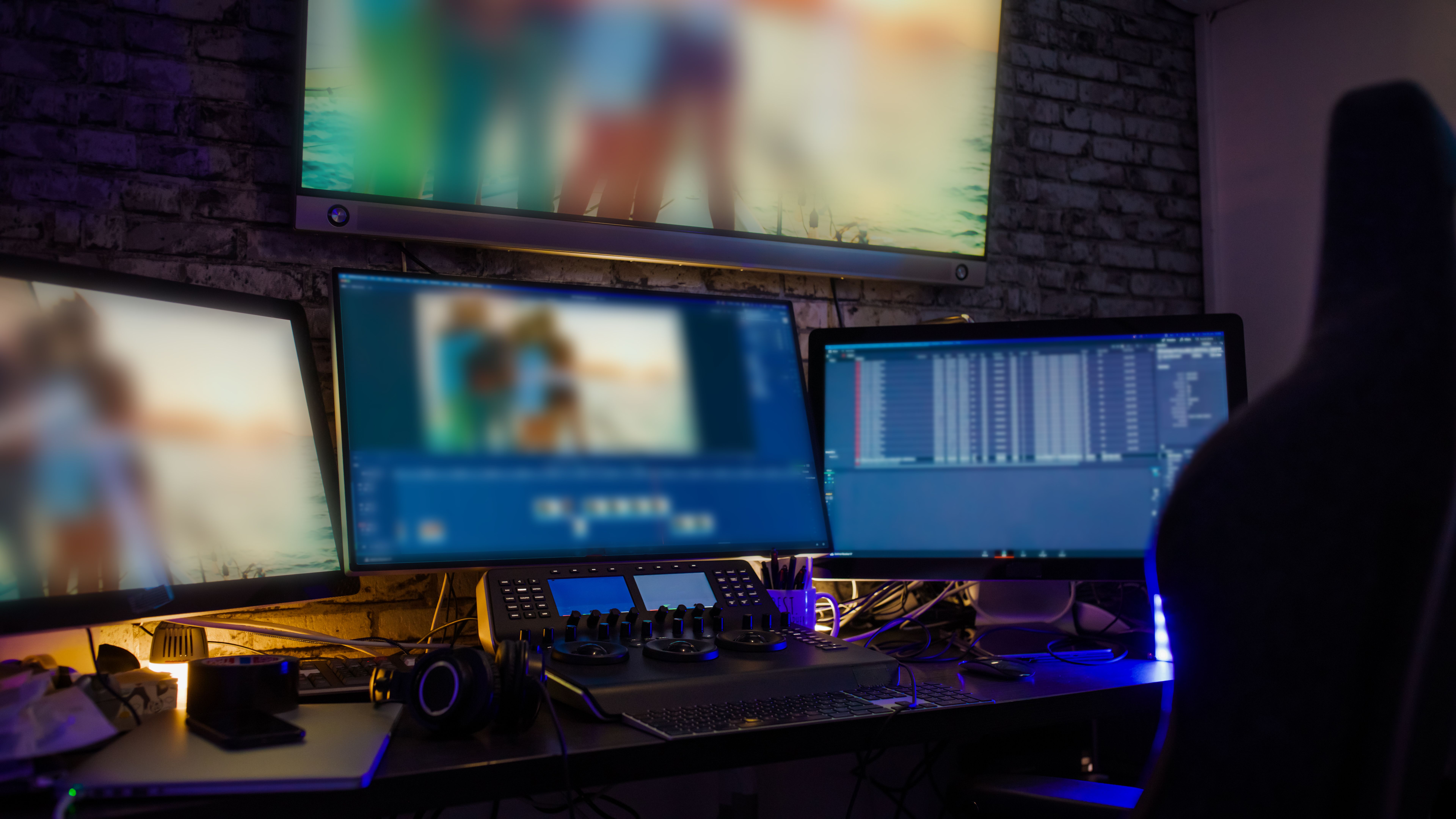
Once the raw sounds are collected, the post-production phase begins. Here, sound designers meticulously edit and layer sounds to create a cohesive auditory experience. This stage often involves mixing different sound elements such as dialogue, sound effects, and music to achieve the desired balance.
Advanced audio editing tools allow designers to manipulate pitch, tempo, and volume, ensuring that each sound fits perfectly within its context. The goal is to create a seamless blend where each auditory component complements the visual elements without overpowering them.
The Role of Music in Sound Design
Music plays a vital role in sound design, acting as an emotional guide for audiences. It can subtly underscore a scene or dramatically shift its mood. Composers work closely with sound designers to ensure that music aligns with the overall soundscape, enhancing the narrative without overwhelming other audio elements.
In video games, music adapts dynamically to player actions, creating a responsive and immersive experience. This interactive element of sound design is crucial in maintaining engagement and enhancing gameplay.
Innovations in Sound Design
The field of sound design is continually evolving with technological advancements. Virtual reality (VR) and augmented reality (AR) have introduced new dimensions to sound design, requiring spatial audio techniques that mimic real-life hearing experiences.
Additionally, AI-driven tools are being utilized to generate adaptive soundscapes that respond to user interactions in real-time. These innovations are pushing the boundaries of what is possible in storytelling, offering more personalized and interactive experiences for audiences.
The Impact of Sound Design on Audience Engagement
Sound design significantly impacts audience engagement by creating an immersive experience that captivates attention. A well-crafted soundscape can evoke emotions, build tension, and provide critical narrative cues that guide viewers through the story.
For filmmakers and game developers, investing in high-quality sound design is not just an artistic choice but a strategic one. It enhances the overall production value and can be a deciding factor in the success of a film or game.