
The Art and Science of Dolby Atmos Mixing for Films


Understanding Dolby Atmos
Dolby Atmos has revolutionized the way we experience sound in films, providing an immersive audio experience that surrounds the viewer. Unlike traditional surround sound systems, Dolby Atmos allows sound designers to place audio elements anywhere in a three-dimensional space. This technology provides a dynamic and realistic soundscape, enhancing the emotional impact of a movie.
At its core, Dolby Atmos is both an art and a science. It combines creative sound design with advanced technology to deliver an unparalleled auditory experience. By using “object-based” audio, filmmakers can manipulate sound with pinpoint precision, ensuring that every whisper, explosion, or musical note resonates perfectly within a scene.
The Artistic Approach to Dolby Atmos
At the heart of Dolby Atmos mixing is the artistic vision of the filmmaker and sound designer. The creative process begins with understanding the narrative and emotional beats of the film. Sound designers need to decide how audio can enhance storytelling, whether by creating tension, emphasizing emotions, or guiding the audience's focus.
This artistic endeavor involves collaboration between directors, composers, and sound teams. Together, they explore innovative ways to use sound as a storytelling tool. The placement of sounds in a 3D space can transform a simple scene into an unforgettable cinematic moment. This requires a deep understanding of the film’s emotional core and the ability to translate that into auditory cues.
The Science Behind Dolby Atmos
On the scientific side, Dolby Atmos relies on cutting-edge technology to deliver its immersive sound. The system uses “audio objects” rather than traditional channels. These objects can be moved around in a 3D space, giving filmmakers unprecedented control over sound placement. This is achieved through advanced algorithms and processing power that accurately render these sounds in real-time.

Engineers working with Dolby Atmos must have a comprehensive understanding of acoustics and digital signal processing. They ensure that sound is accurately reproduced in any environment, whether it's a small home theater or a large commercial cinema. This requires meticulous calibration and tuning to match the acoustical properties of each space.
The Role of Technology in Mixing
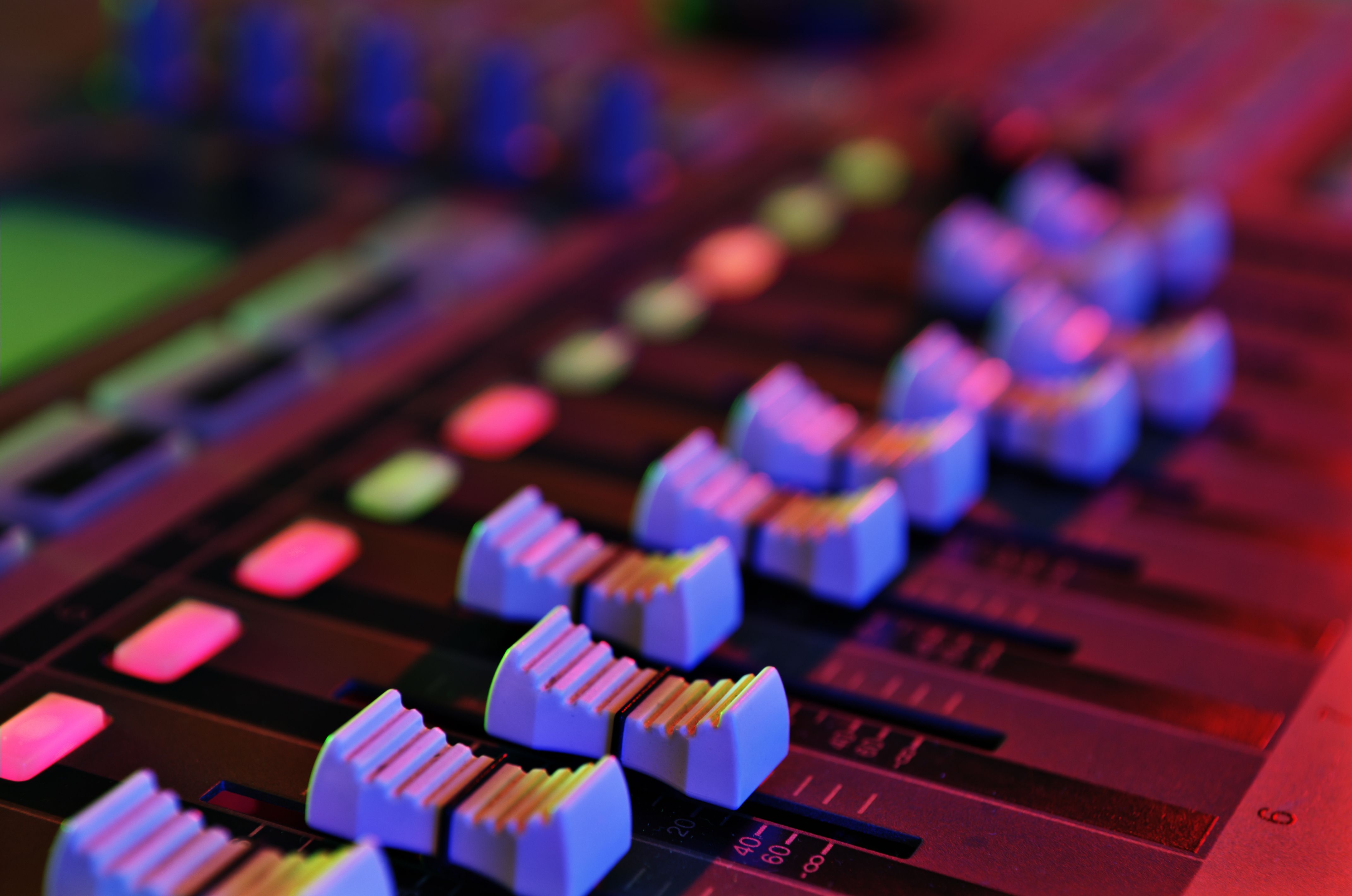
The mixing process in Dolby Atmos involves both artistic judgment and technical expertise. Sound mixers use specialized software and hardware to manipulate audio objects and create the desired spatial effects. The technology allows for precise control over volume, directionality, and movement of sounds within a scene.
This level of control enables mixers to craft complex soundscapes that can transport audiences into the heart of the action. From subtle environmental sounds to dramatic action sequences, every detail is meticulously crafted to enhance the viewer’s experience.

Challenges and Considerations
Despite its capabilities, working with Dolby Atmos presents unique challenges. Sound designers must consider how different playback systems will affect the final mix. A mix that sounds perfect in a state-of-the-art theater might need adjustments for home viewing or smaller venues.
Moreover, maintaining consistency across various platforms requires careful planning and execution. Sound teams must ensure that the essential elements of the mix are preserved regardless of where or how it is heard.
The Future of Dolby Atmos Mixing
As technology continues to evolve, so too will the capabilities of Dolby Atmos. Future advancements may include even more precise control over audio placement and integration with emerging technologies such as virtual reality and augmented reality. These developments promise to push the boundaries of what is possible in cinematic sound design.
For filmmakers and sound designers, mastering Dolby Atmos mixing is an exciting journey into the future of storytelling. By harnessing both the art and science of this technology, they can create immersive experiences that captivate audiences worldwide.