
Mastering Film Audio Mixing: Techniques and Tools


Understanding the Basics of Film Audio Mixing
Film audio mixing is an essential element in filmmaking that brings depth and clarity to the visual narrative. It involves combining various audio elements such as dialogue, sound effects, and music into a cohesive soundtrack. This process not only enhances the audience's experience but also ensures that the story is communicated effectively.
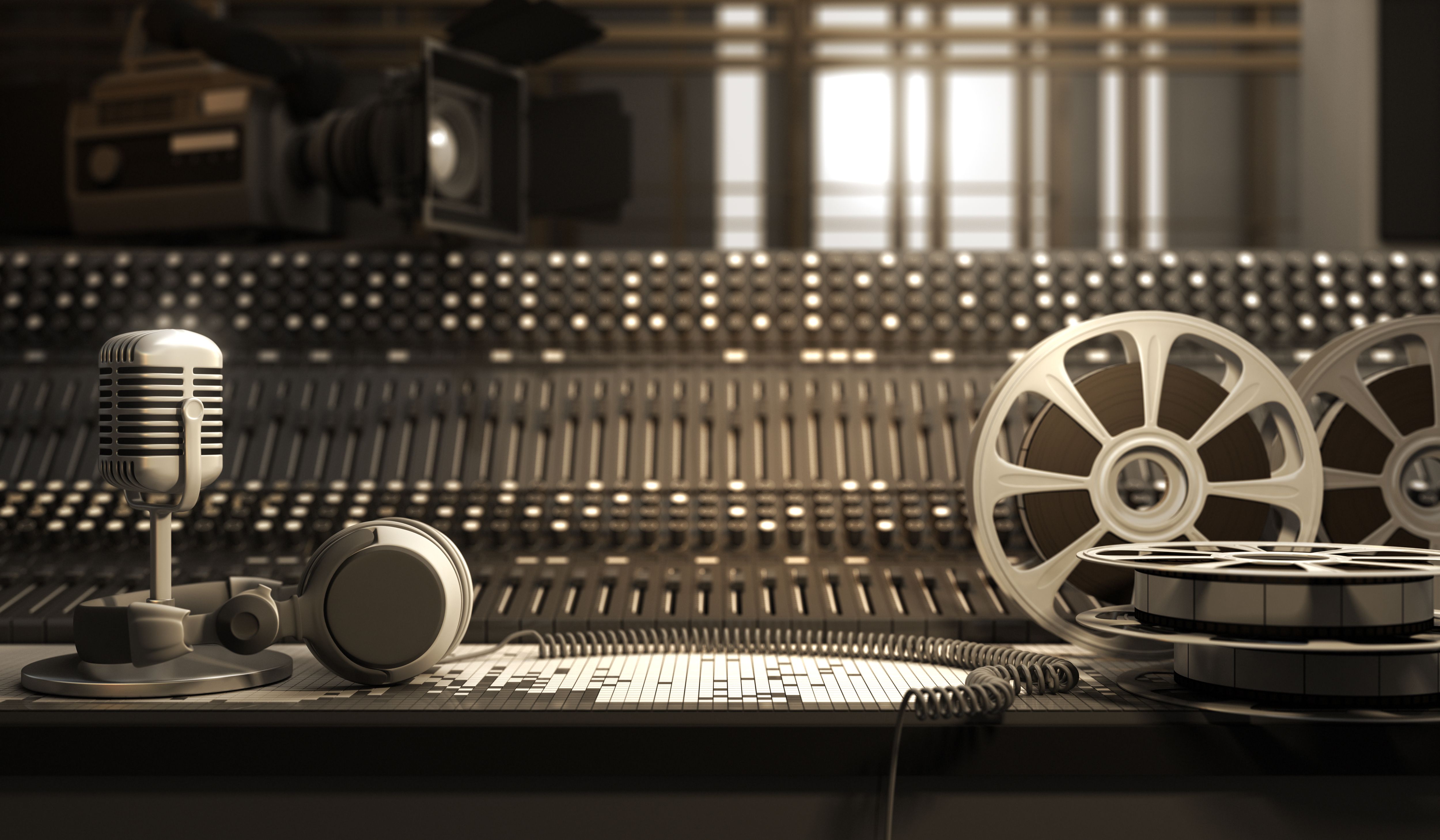
To master film audio mixing, one must first understand the fundamental components, including dialogue, Foley effects, ambient sounds, and the musical score. Each element plays a crucial role in creating the overall soundscape of a film. Dialogue serves as the primary mode of communication, while Foley and ambient sounds add realism and texture.
Techniques for Effective Audio Mixing
Balancing Audio Levels
One of the key techniques in audio mixing is balancing audio levels. This involves ensuring that dialogue is clear and not overpowered by music or sound effects. An effective way to achieve this balance is by using a mixing console or digital audio workstation (DAW) to adjust levels in real time. It’s essential to maintain a dynamic range that keeps the audience engaged without overwhelming them.
Utilizing Panning and Spatial Audio
Panning is another technique that gives depth to audio by distributing sound across different channels. It helps create a sense of space and direction, making the audio experience more immersive. With advancements in technology, spatial audio techniques allow mixers to position sounds in a three-dimensional space, enhancing realism and audience engagement.
Tools of the Trade
Essential Software for Audio Mixing
A wide array of software tools is available for film audio mixing. Popular digital audio workstations (DAWs) like Pro Tools, Logic Pro, and Adobe Audition are industry standards for their versatility and advanced features. These platforms offer a comprehensive suite of tools for editing, mixing, and mastering audio tracks.
Hardware Tools
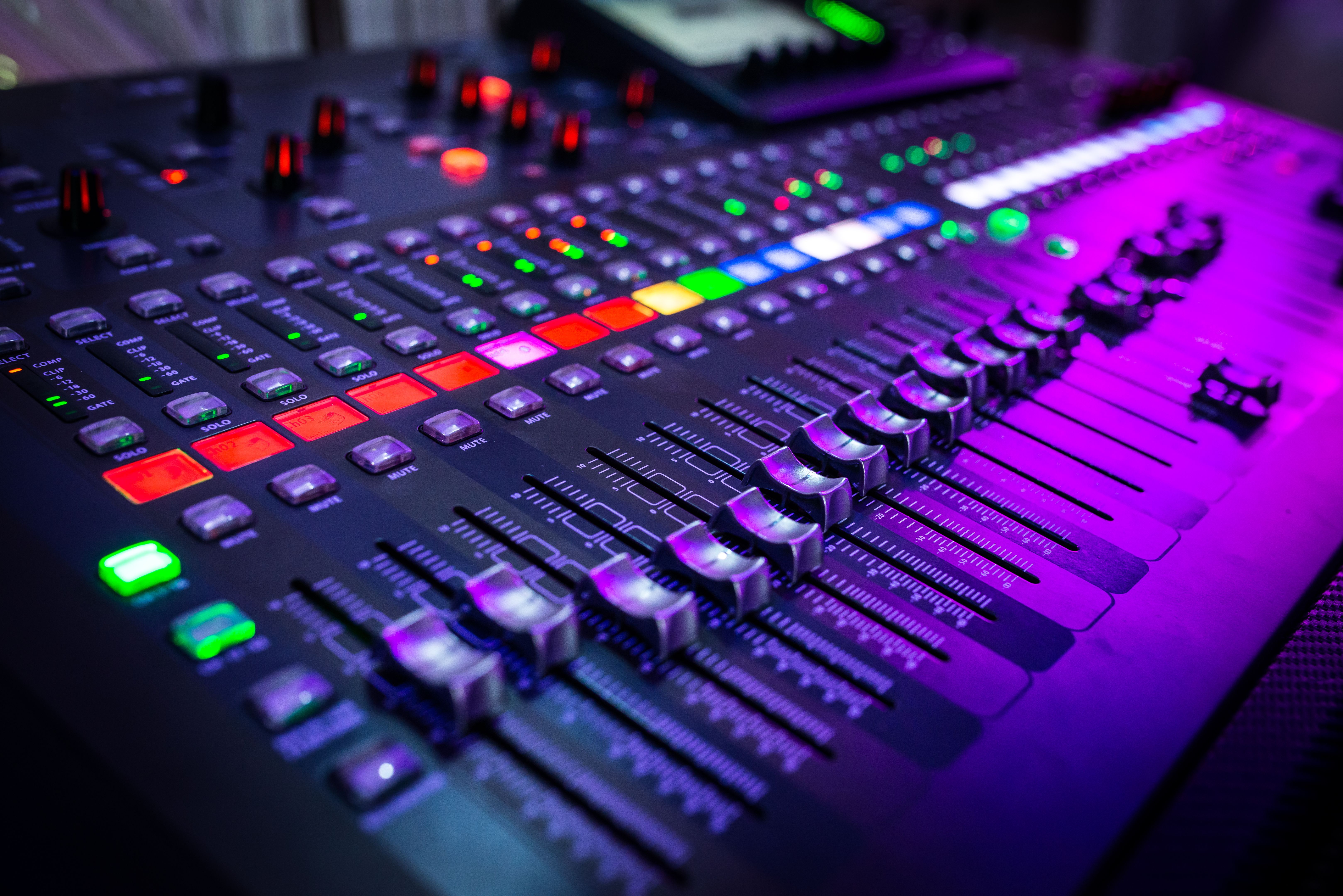
Alongside software, certain hardware tools are indispensable for achieving high-quality audio mixes. Monitors and headphones are critical for accurate sound reproduction, allowing mixers to hear subtle details and make precise adjustments. Additionally, mixing consoles provide tactile control over various audio parameters, offering an intuitive interface for professionals.
Advanced Mixing Techniques
Using Equalization and Compression
Equalization (EQ) is a valuable technique used to adjust the frequency balance of audio tracks. By boosting or cutting specific frequencies, mixers can shape the tonal quality of sounds, ensuring clarity and consistency across the soundtrack. Compression is another essential tool that controls dynamic range, smoothing out volume fluctuations for a polished final mix.
Incorporating Sound Design Elements
Sound design elements can significantly enhance the storytelling aspect of a film. By incorporating creatively designed sounds, mixers can evoke emotions and highlight dramatic moments. This includes layering multiple effects and using reverb or delay to add depth and atmosphere to scenes.
Mastering film audio mixing requires both technical proficiency and creative insight. By understanding the techniques and tools involved, filmmakers can craft compelling soundscapes that resonate with audiences and elevate their storytelling.