
Exploring the Role of Sound Design in Video Games: Creating Atmosphere and Emotion


The Power of Sound in Gaming
Sound design in video games is a crucial element that often goes unnoticed by players, yet it plays a significant role in creating a rich and immersive experience. From the subtle rustle of leaves to the intense crescendo of an action sequence, sound design shapes how players perceive and interact with the game world. It sets the mood, enhances storytelling, and evokes emotions, making the gaming experience more engaging and memorable.

Creating Atmosphere Through Sound
Atmosphere in video games is largely driven by sound design. The ambient sounds of an environment, such as the chirping of distant birds in a forest or the eerie echo of footsteps in a dark corridor, create a sense of place and realism. These sounds help players immerse themselves in the virtual world by making it feel alive and dynamic. They can signal danger, provide clues, or simply establish the setting's tone.
Sound designers use various techniques to craft these auditory landscapes. By layering multiple sound effects and adjusting their volume and frequency, designers can simulate complex environments. This technique allows players to perceive depth and distance, further enhancing the feeling of immersion. For example, hearing a river rushing in the background as you traverse a forest path can make the environment feel expansive and real.
Sound as an Emotional Catalyst
Beyond atmosphere, sound design significantly influences the emotional journey of a player. Music and sound effects can elicit strong emotional responses, from fear and tension to joy and triumph. A well-timed musical cue or an unexpected sound effect can heighten suspense or amplify excitement during pivotal moments.
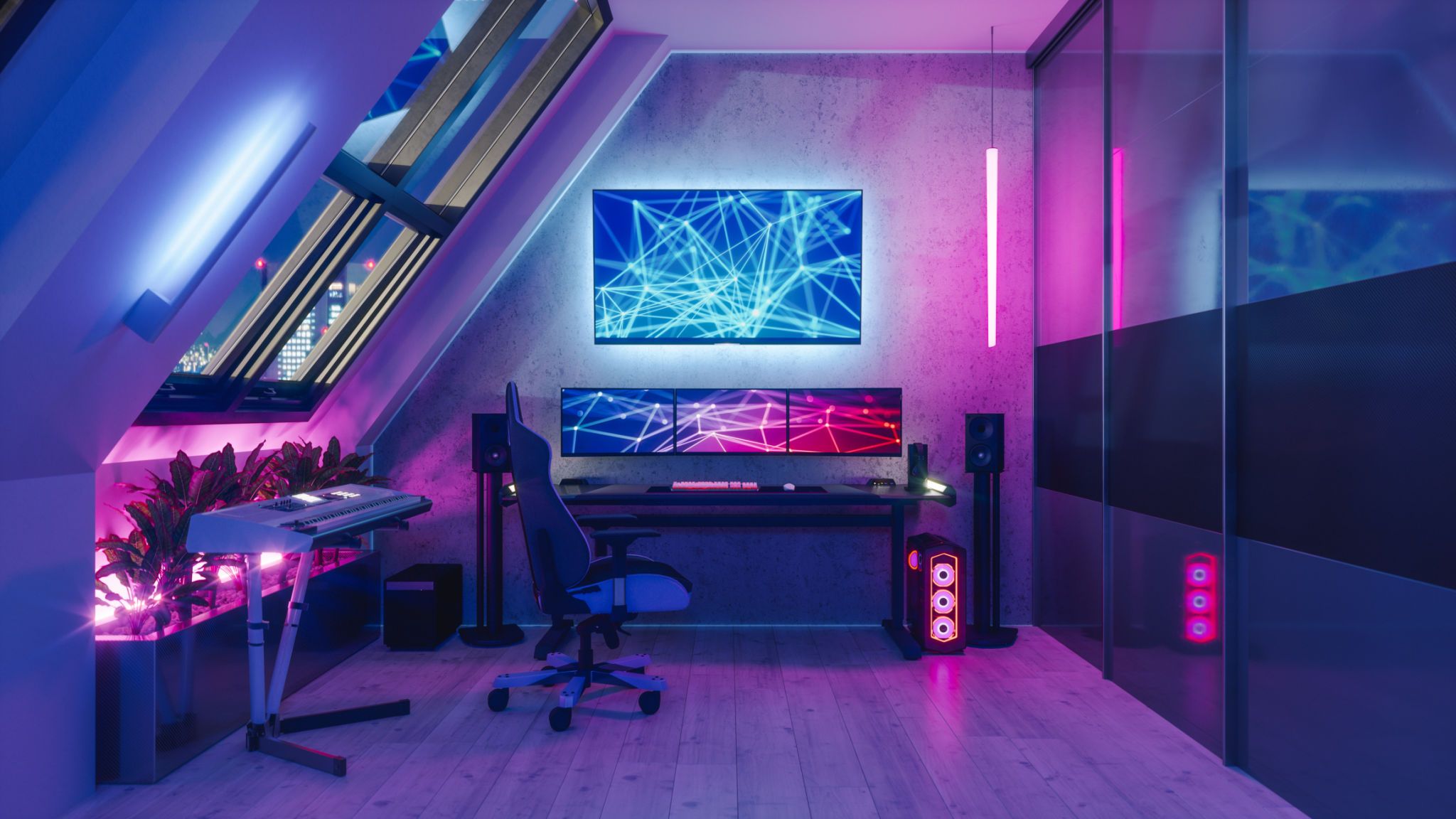
Game developers often collaborate with composers to create original scores that complement the narrative and enhance emotional engagement. The music becomes an integral part of storytelling, guiding players through the highs and lows of the game's plot. For instance, a haunting melody might accompany a tragic storyline, while an uplifting score can underscore a character's victory.
Interactive Sound Design
Interactivity is a defining feature of video games, and sound design is no exception. Interactive sound design allows players to influence audio elements based on their actions within the game. This dynamic approach makes each player's experience unique and personalized.
- Responsive Soundscapes: Changes in sound based on player movements or decisions can make interactions feel more natural.
- Adaptive Music: Music that shifts in response to gameplay events keeps players engaged and immersed.
- Player Feedback: Audio cues provide immediate feedback for player actions, such as collecting an item or achieving a goal.
The Future of Sound Design in Games
The future of sound design in video games looks promising as technology continues to evolve. Advancements in audio technology, such as spatial audio and 3D soundscapes, offer new possibilities for creating even more immersive experiences. These innovations allow players to perceive sound in a way that resembles real-life auditory experiences, significantly enhancing realism.
Moreover, artificial intelligence and machine learning are beginning to play a role in sound design. These technologies can analyze player behavior and preferences to dynamically alter soundscapes, tailoring experiences to individual players. This personalized approach could redefine how we experience sound in video games, making each session unique.
Conclusion: The Unseen Hero
In conclusion, sound design is an unseen hero that significantly impacts how we experience video games. By creating atmosphere and evoking emotion, it enriches gameplay and storytelling. As technology advances, sound design will continue to evolve, offering new ways to captivate players' senses and elevate gaming experiences. So next time you dive into a game, take a moment to appreciate the intricate audio details that make it come alive.