
Exploring the Magic of Immersive Audio in Film and Gaming


The Rise of Immersive Audio
In recent years, the world of entertainment has witnessed a revolution in how audiences experience sound. Immersive audio has emerged as a game-changing technology, transforming the way we perceive films and games. This technology goes beyond the traditional stereo and surround sound, creating a 360-degree auditory experience that places the listener at the center of the action.
Immersive audio technologies like Dolby Atmos, DTS:X, and Auro-3D provide depth and spatial precision, allowing sound to move around and above the listener. This innovation has been embraced by filmmakers and game developers alike, enhancing storytelling and gameplay.
Impact on Film
In the film industry, immersive audio is redefining how stories are told. Directors and sound designers are leveraging this technology to create more engaging and realistic experiences. By manipulating sound placement and movement, they can draw viewers into the narrative, making them feel as if they are part of the scene.
For instance, in action films, explosions not only blast from the front but also seem to reverberate around and above the audience. Horror films use immersive audio to heighten suspense, with whispers and footsteps creeping from unexpected directions. These nuanced soundscapes increase emotional impact and immersion for viewers.

Enhancing Gaming Experiences
In the gaming world, immersive audio is equally transformative. It plays a crucial role in creating realistic environments and enhancing player engagement. By providing accurate spatial cues, players can better navigate virtual worlds and react to in-game events.
Moreover, immersive audio contributes to the competitive advantage in gaming. Players can pinpoint enemy movements or detect hidden threats based on sound directionality. This level of detail not only enriches gameplay but also adds a layer of strategy and realism that was previously unattainable.

Technological Innovations
The development of immersive audio relies on advanced technologies that process sound in three dimensions. Unlike traditional setups, these systems utilize object-based audio, allowing sounds to be represented as individual objects rather than fixed channels. This flexibility enables more precise control over sound placement and movement.
Additionally, the integration of headphones equipped with head-tracking capabilities further enhances the immersive experience. These devices adjust soundscapes dynamically based on head movements, ensuring that audio remains consistent with visual perception.
Future Prospects
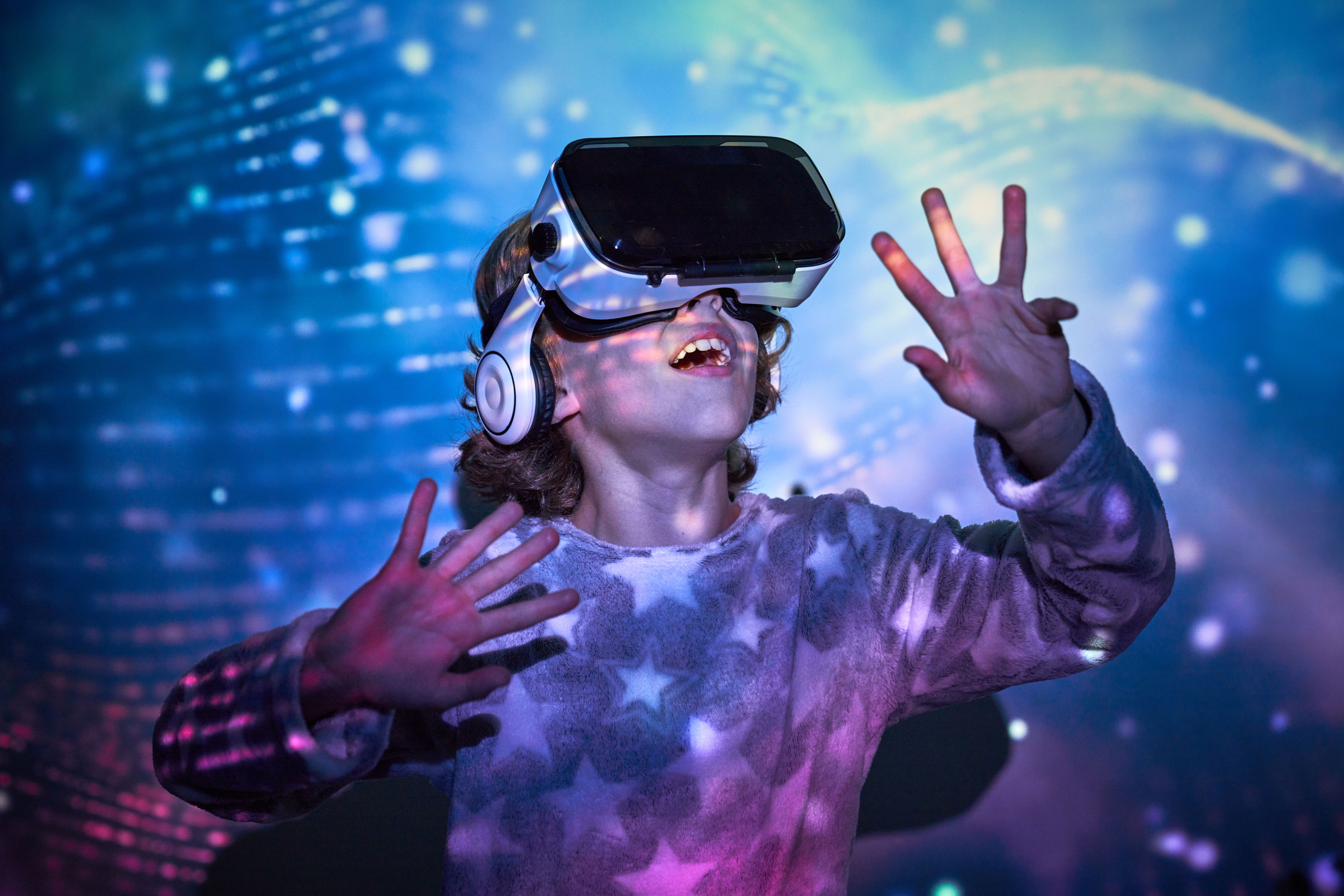
As immersive audio continues to evolve, its potential applications are expanding beyond entertainment. In the realm of virtual reality (VR) and augmented reality (AR), immersive audio is essential for creating believable and interactive environments. It also holds promise for sectors such as education and training, where realistic simulations can enhance learning outcomes.
The future of immersive audio is promising, with ongoing research focused on improving sound quality and accessibility. As technology advances, we can expect even more sophisticated auditory experiences that blur the lines between fiction and reality.

Conclusion
The magic of immersive audio lies in its ability to transform ordinary experiences into extraordinary ones. Whether in film or gaming, this technology enriches narratives, deepens engagement, and elevates entertainment to new heights. As it continues to develop, immersive audio will undoubtedly become an integral part of how we experience stories in both familiar and uncharted territories.