
Exploring the Benefits of Hybrid Mixing Systems for Theatrical Productions


Understanding Hybrid Mixing Systems
Theatrical productions are a blend of art and technology, requiring precise coordination to deliver an immersive experience. One innovative solution enhancing this experience is the integration of hybrid mixing systems. These systems seamlessly combine digital and analog technologies, offering a versatile approach to sound management in theaters. By leveraging both worlds, hybrid mixing systems provide unmatched flexibility and control, crucial for dynamic theatrical environments.
Hybrid mixing systems are particularly beneficial in adapting to the diverse requirements of live performances. Whether it's a small stage play or a grand musical, these systems can be tailored to fit the specific needs of any production. The ability to switch between digital presets and analog sound quality makes them ideal for managing complex audio setups efficiently.
The Advantages of Hybrid Mixing Systems
Enhanced Sound Quality
One of the most significant benefits of hybrid mixing systems is the enhanced sound quality. The combination of digital precision with analog warmth results in a rich, full sound that can be finely tuned to suit the acoustics of any venue. This ensures that audiences enjoy a consistent audio experience, no matter where they are seated in the theater.
Flexibility and Scalability
Another advantage is the system's flexibility and scalability. Hybrid mixers can easily adapt to changes in production size or complexity. They allow sound engineers to customize settings quickly, making adjustments on the fly without disrupting the performance. This adaptability is particularly valuable in theaters where productions can vary greatly from one show to the next.
Streamlined Workflow and Efficiency
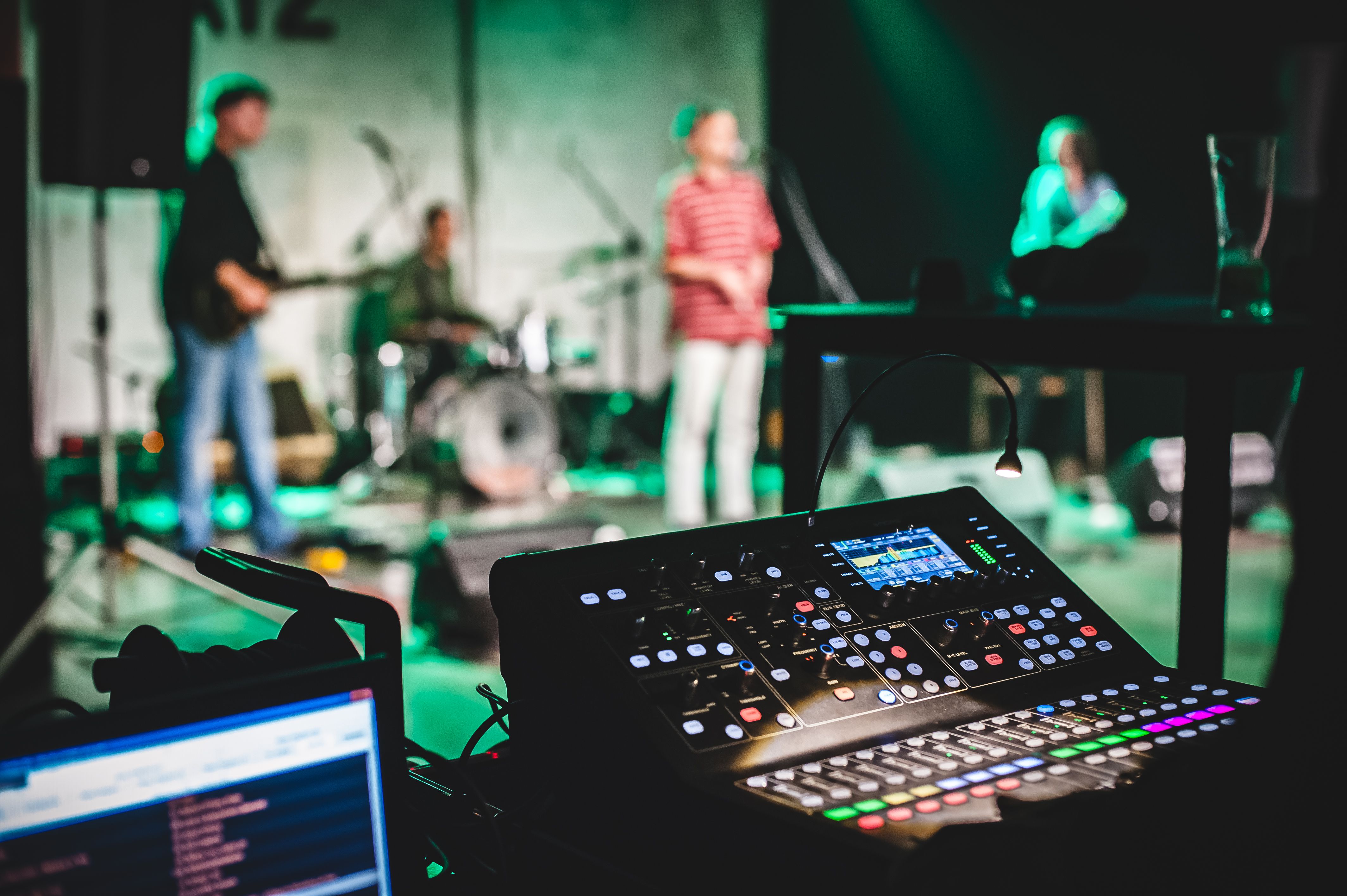
The integration of hybrid mixing systems also leads to a more streamlined workflow. By consolidating digital and analog technologies, these systems reduce the need for multiple devices, simplifying setup and operation. This efficiency allows sound engineers to focus more on creativity rather than technical troubleshooting.
Furthermore, hybrid systems often come with intuitive interfaces that make it easier for technicians to manage complex audio tasks. With features like remote access and preset storage, sound engineers can prepare for performances in advance, ensuring smooth transitions during live shows.

Future-Proofing Theatrical Productions
In an industry that values innovation, hybrid mixing systems offer a path towards future-proofing theatrical productions. As technology continues to evolve, these systems provide a flexible foundation that can incorporate new advancements without requiring complete overhauls. This adaptability ensures that theaters can stay ahead of the curve, maintaining high production standards while embracing new audio technologies.
In conclusion, hybrid mixing systems represent a significant advancement in theatrical sound design. By combining the best of digital and analog worlds, they offer unparalleled sound quality, flexibility, and efficiency. As theaters continue to seek ways to enhance their productions, embracing hybrid mixing systems could very well be the key to achieving spectacular audio experiences.