
Enhancing Storytelling with Sound: The Role of Re-recording Mixing in Film Part 1


The Art of Sound in Cinema
In the world of film, storytelling is an intricate dance of visuals and sound. While much attention is often given to the visual aspects of cinema, sound plays an equally crucial role in enhancing the narrative. One vital component in the process of sound design is re-recording mixing, a craft that ensures every auditory element serves the story effectively.
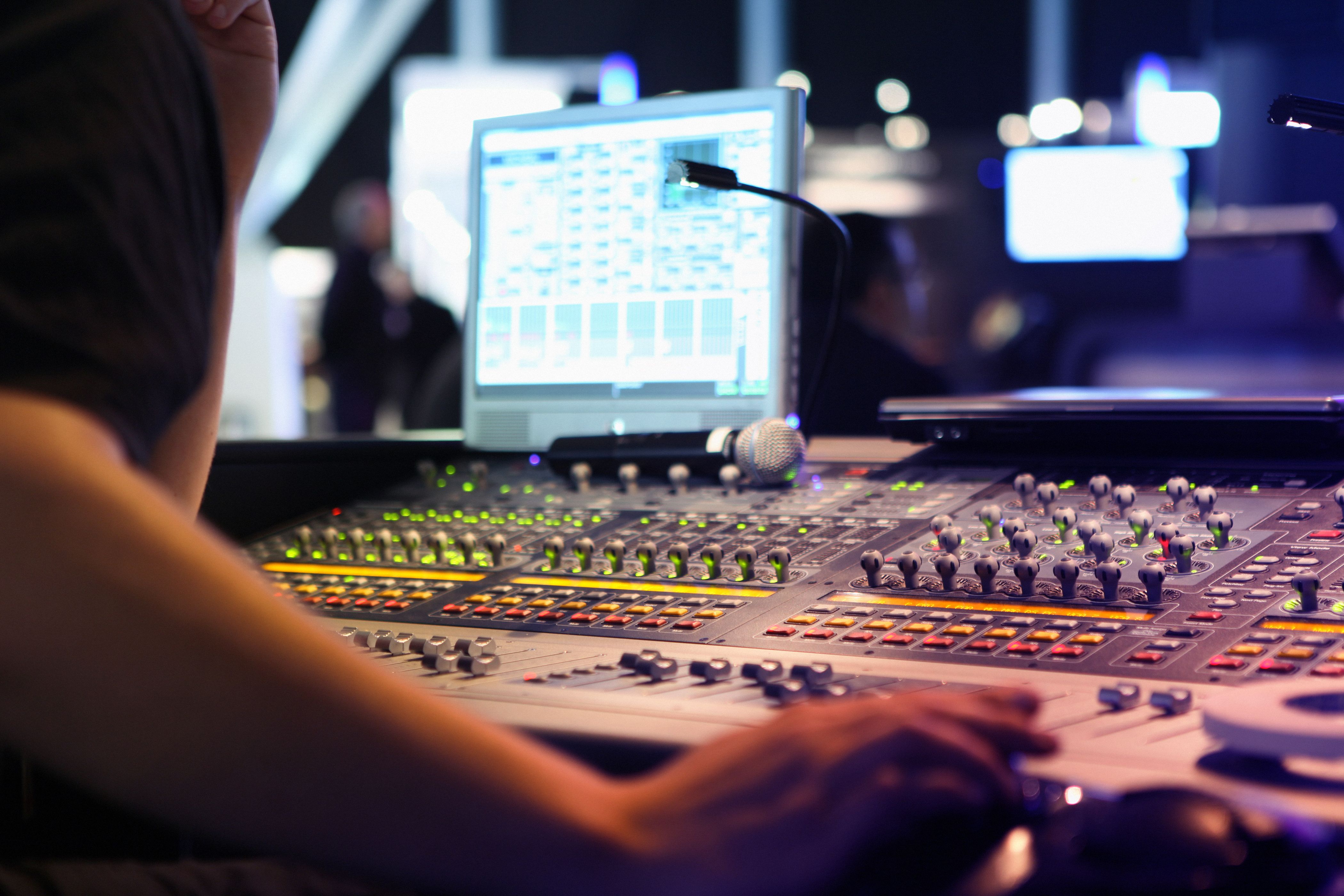
Re-recording mixing is the final stage in the audio post-production process. It involves balancing dialogue, music, and sound effects to create a cohesive and immersive soundscape. This stage is where all the separate audio tracks are blended to achieve the desired emotional impact on the audience.
The Importance of Sound in Storytelling
Sound can make or break a film. It sets the mood, builds tension, and can even act as a character in its own right. Through skillful re-recording mixing, filmmakers ensure that sound elements are not just heard but felt. This emotional resonance is essential for drawing audiences into the story.
Consider a suspenseful scene in a thriller. The creaking of a door, subtle background music, and the protagonist's breath all contribute to the tension. Through re-recording mixing, these elements are meticulously balanced to heighten the suspense and keep viewers on the edge of their seats.
The Process of Re-recording Mixing
The process typically starts with a temp mix, which provides a rough idea of how the final mix will sound. This preliminary mix allows directors to make creative decisions and adjustments before the final mix begins. During this stage, mixers collaborate closely with directors and editors to ensure their vision is accurately represented.
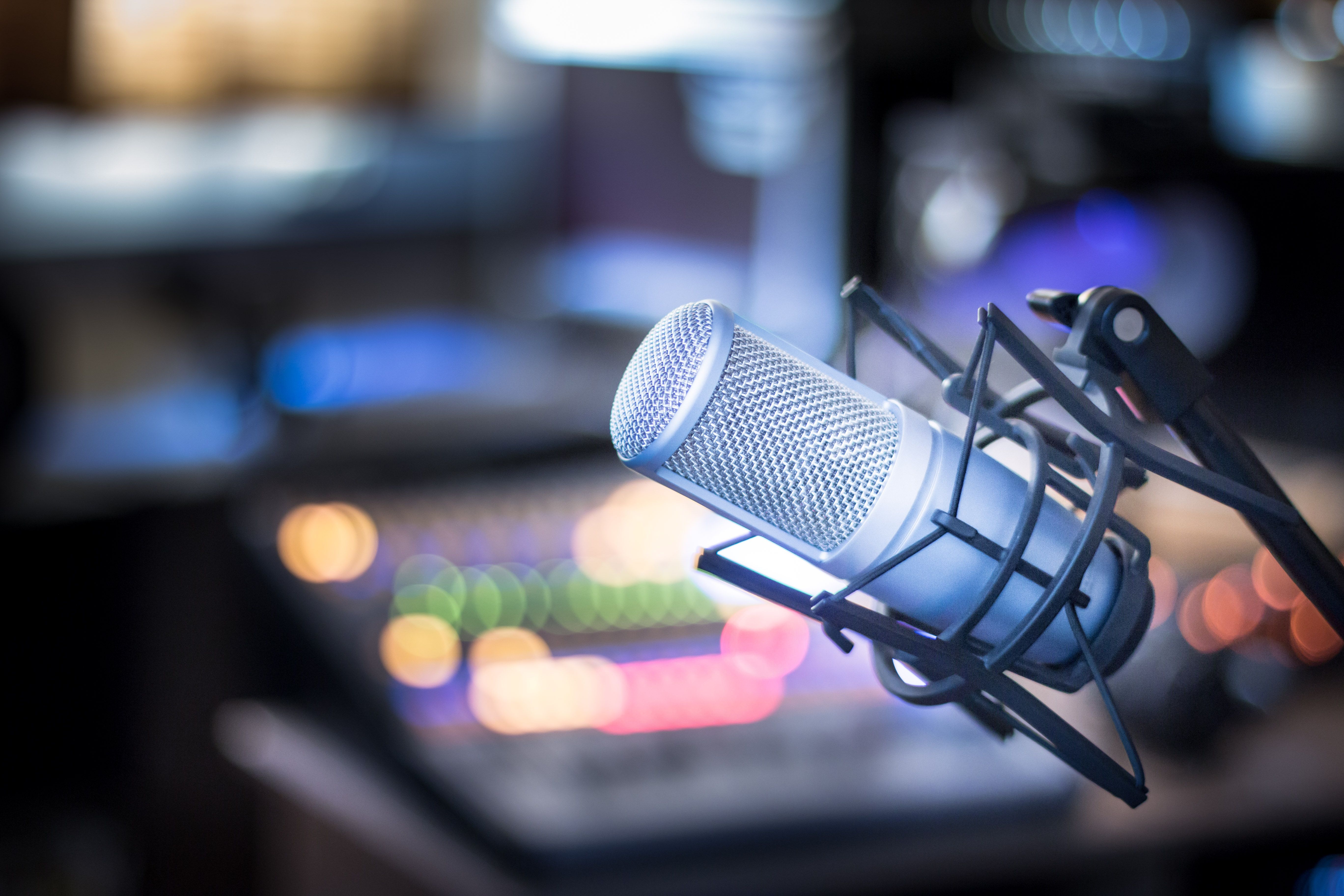
Next comes the final mix, where mixers refine every aspect of the audio. Dialogue is adjusted for clarity and consistency, sound effects are layered for depth, and music is balanced to support, not overpower, the scene. This meticulous attention to detail ensures that each sound serves its narrative purpose.
Challenges in Re-recording Mixing
One of the main challenges in re-recording mixing is maintaining a seamless blend of sound elements. Mixers need to ensure that dialogue remains intelligible while allowing sound effects and music to enhance the scene's atmosphere without becoming distracting.
Additionally, mixers must consider various playback environments. A film watched in a theater will have different acoustic properties compared to one viewed on a home television. Mixers often create multiple versions of a mix to accommodate these differences, ensuring an optimal experience for all audiences.
The Impact of Technology
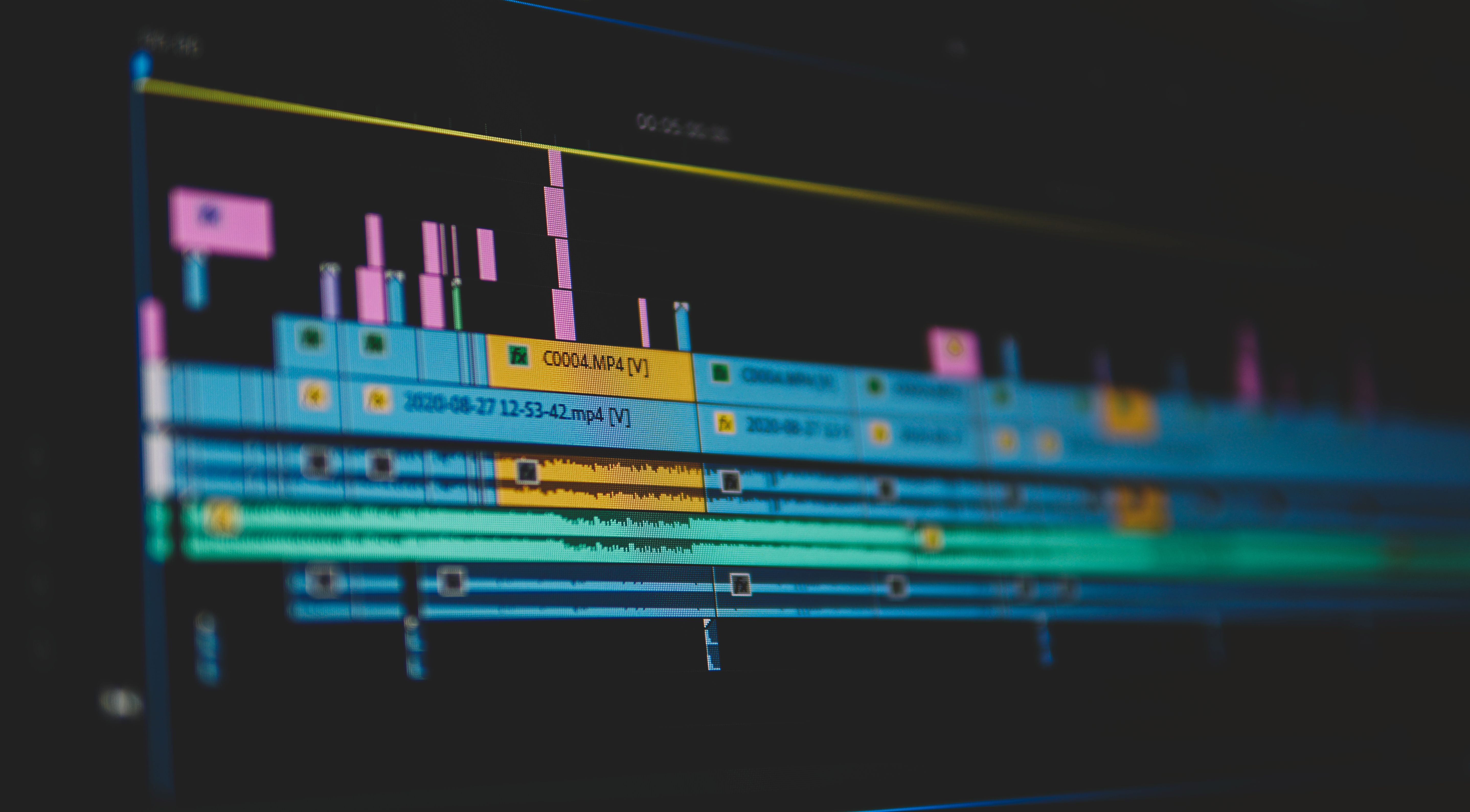
Advancements in technology have significantly influenced re-recording mixing. Digital audio workstations (DAWs) and sophisticated software allow mixers to manipulate sound with precision. This technology has opened up new creative possibilities, enabling filmmakers to experiment with sound design in ways previously unimaginable.
Moreover, surround sound systems have transformed how audiences experience films. By strategically placing sounds around the theater, mixers can create a more immersive experience that enhances storytelling.
Conclusion: Elevating Stories with Sound
Re-recording mixing is an essential part of filmmaking that elevates stories beyond their visual components. By carefully blending dialogue, music, and sound effects, mixers help create an auditory experience that engages audiences and enriches the narrative.
As technology continues to evolve, the possibilities for innovation in re-recording mixing are boundless. This evolution promises even more compelling storytelling experiences, ensuring that sound remains a powerful tool in the filmmaker's arsenal.