
Cinematic Sound Design: Creating Captivating Soundscapes for Film and Video Games


The Power of Sound in Storytelling
Sound design is an essential aspect of filmmaking and video game development, providing depth and emotion to the visual experience. It is the art of creating an auditory atmosphere that enhances the narrative, helping to immerse the audience in the story's world. From subtle background noises to dynamic soundscapes, sound design adds an extra layer of realism and emotion.
In both films and video games, sound design encompasses everything from dialogue and music to environmental sounds and special effects. Each element is meticulously crafted to ensure it complements the onscreen action, drawing the audience deeper into the narrative.
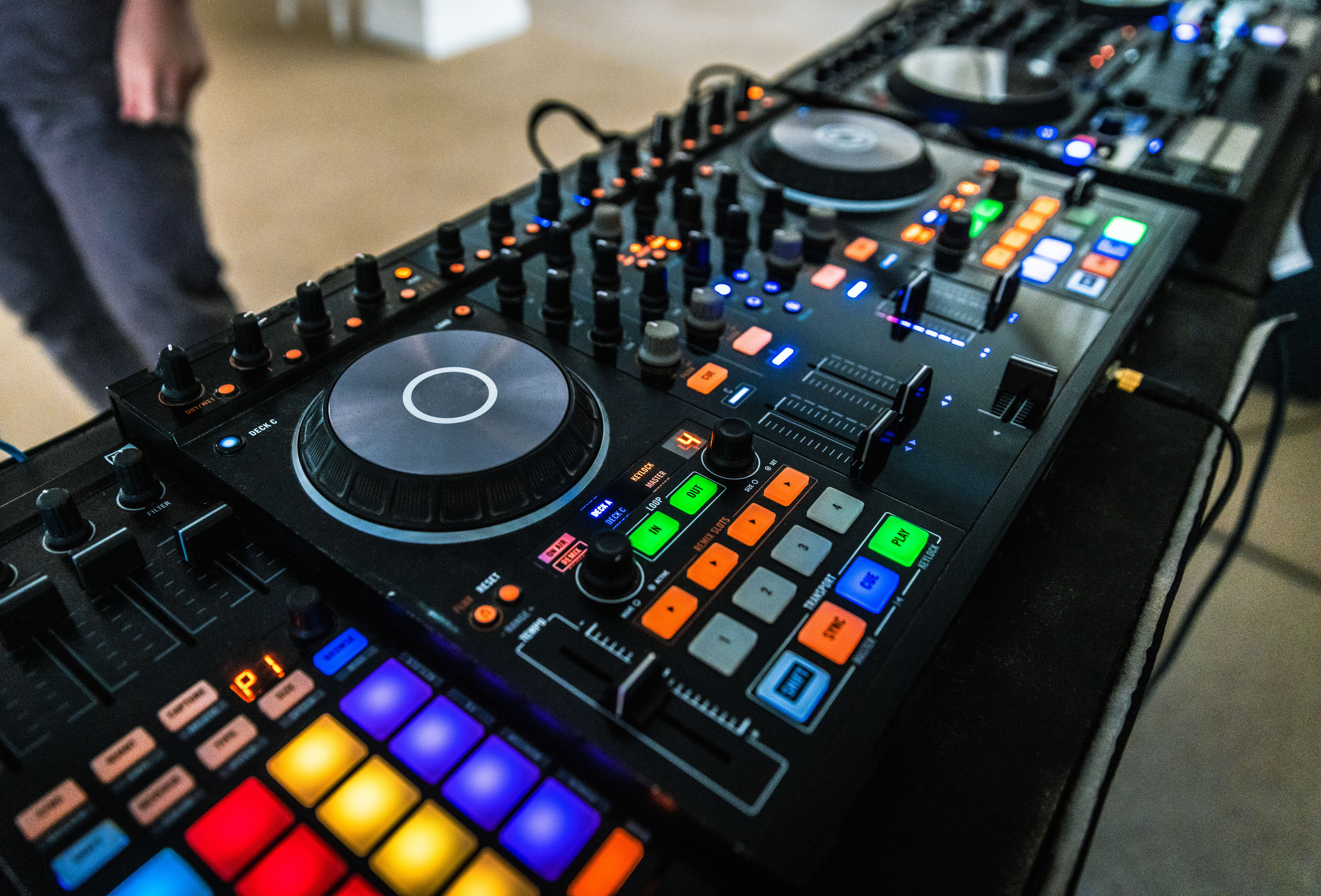
Elements of Sound Design
Dialogue
Dialogue is the most direct form of communication in a film or video game. It carries the story forward and provides insight into a character's thoughts and emotions. Sound designers work closely with directors and actors to capture authentic and clear dialogue that resonates with the audience.
Music
Music is a powerful tool in sound design, capable of evoking strong emotions and setting the tone for a scene. Whether it's a sweeping orchestral score or an eerie ambient track, music can intensify action sequences, underline emotional moments, and create tension or relief.

Sound Effects
Sound effects play a crucial role in enhancing realism and immersion. From the rustling of leaves to the roar of an engine, these sounds help to create a believable environment. Sound designers often use a combination of real-world recordings and digital effects to achieve the desired auditory impact.
Crafting Immersive Soundscapes
Creating a captivating soundscape involves layering various audio elements to produce a cohesive and immersive experience. Sound designers use techniques like spatial audio and surround sound to make the audience feel as if they are part of the scene. These techniques are particularly important in video games, where player interaction with the environment is key.
The process begins with understanding the narrative context and identifying key moments that require auditory emphasis. Sound designers then work on capturing or creating sounds that enhance these moments, carefully balancing them against other elements like dialogue and music.
Challenges in Sound Design
One of the main challenges in sound design is ensuring that all audio elements work harmoniously without overpowering each other. This requires a keen ear and meticulous attention to detail. Additionally, sound designers must adapt their techniques to suit different platforms, such as cinema, home theaters, or gaming consoles.
Technological advancements have expanded the possibilities for sound design, but they also present challenges. Designers must stay updated with new tools and techniques while maintaining a creative approach to problem-solving.
The Future of Sound Design
As technology continues to evolve, so does the field of sound design. Emerging technologies such as virtual reality (VR) and augmented reality (AR) are opening new avenues for creating immersive audio experiences. These platforms demand innovative approaches to sound design that can respond dynamically to user interactions.
The future promises exciting opportunities for sound designers to push boundaries and explore new ways of storytelling through sound, ensuring that audiences remain captivated by both films and video games.