
Choosing the Right Studio: Dolby Atmos vs Traditional Mixing


Understanding the Basics: Dolby Atmos vs Traditional Mixing
When it comes to audio production, choosing the right studio setup is crucial. Two popular options include Dolby Atmos and traditional mixing. Both have their unique strengths and can significantly impact the final output of your project. Understanding the differences between these two can help you make an informed decision.
Dolby Atmos is a revolutionary audio technology that offers an immersive experience by adding height channels, allowing sounds to be interpreted in three dimensions. Traditional mixing, on the other hand, focuses on stereo or 5.1 surround setups, which are more linear in their sound distribution.
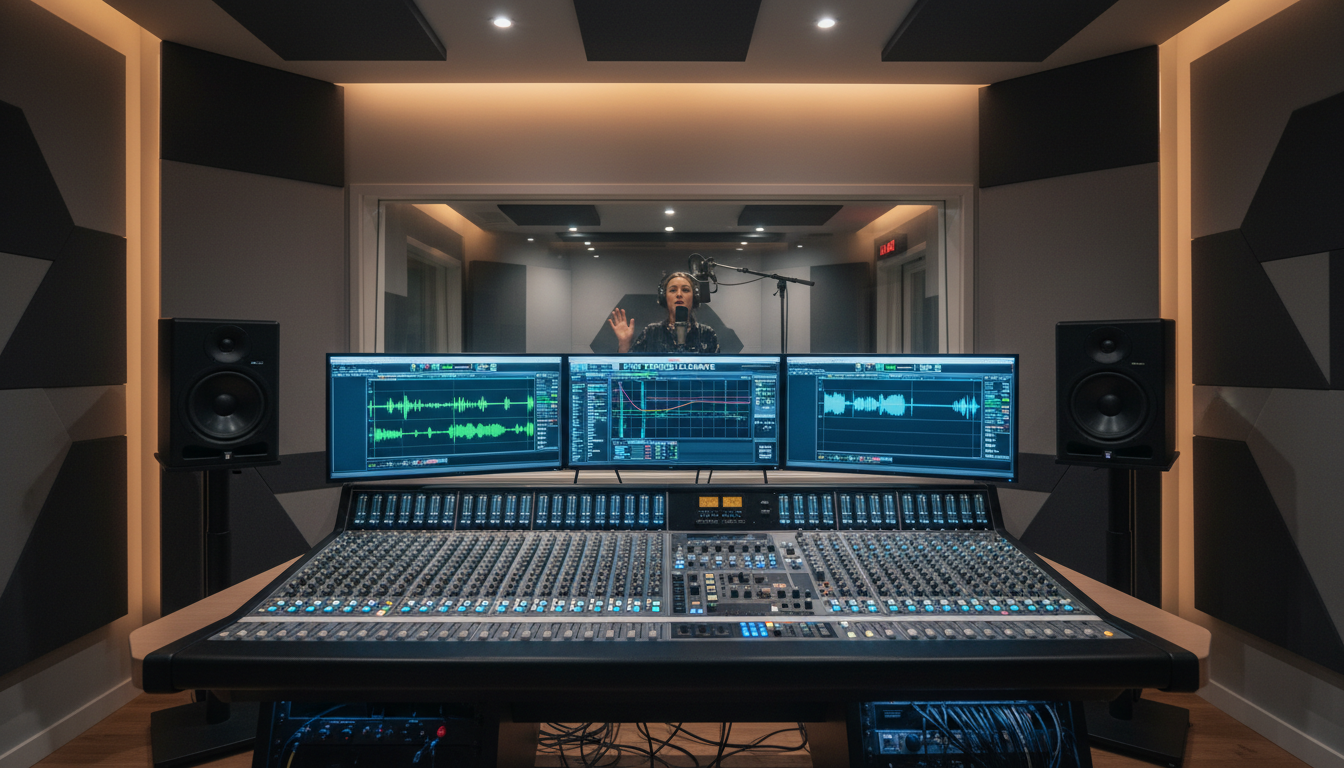
Key Differences in Technology
Dolby Atmos
Dolby Atmos utilizes object-based audio, meaning sounds can be placed and moved in 3D space rather than being confined to specific channels. This technology offers unparalleled flexibility and precision, making it ideal for immersive experiences like movies and gaming.
Traditional Mixing
Traditional mixing primarily involves channel-based audio. Whether it's stereo or 5.1 surround sound, this method relies on fixed channels to distribute sound, which can be limiting in terms of spatial accuracy and depth. However, it is still widely used for music and conventional media.
Choosing the Right Studio for Your Project
Project Requirements
The choice between Dolby Atmos and traditional mixing should be guided by the specific needs of your project. Consider the type of content you are producing. For instance, if you are working on a film or a video game, the immersive capabilities of Dolby Atmos might be more suitable.
- Music Production: Traditional mixing is often preferred for music due to its simplicity and familiarity.
- Films and Gaming: Dolby Atmos provides an edge with its 3D sound capabilities.
Budget Considerations
Budget is another important factor. Dolby Atmos setups tend to be more expensive due to the advanced technology and equipment required. Traditional mixing studios, being more common, might offer cost-effective options without compromising quality for certain projects.
Future-Proofing Your Studio
As technology advances, the demand for high-quality audio experiences continues to grow. Investing in a Dolby Atmos setup can be seen as future-proofing your studio. It aligns with emerging trends in media consumption, particularly in industries like virtual reality and augmented reality.
However, if your focus remains on traditional content formats, a well-equipped traditional mixing studio can still deliver excellent results while staying within budget constraints.
Conclusion
Ultimately, the decision between Dolby Atmos and traditional mixing depends on your project needs, budget, and future goals. Both have their merits, and the right choice will enhance your audio production, ensuring you deliver a compelling and engaging experience to your audience.
By weighing these factors carefully, you can select the studio setup that best aligns with your creative vision and production requirements.