
Behind the Scenes: The Art and Science of Re-recording Mixing


Introduction to Re-recording Mixing
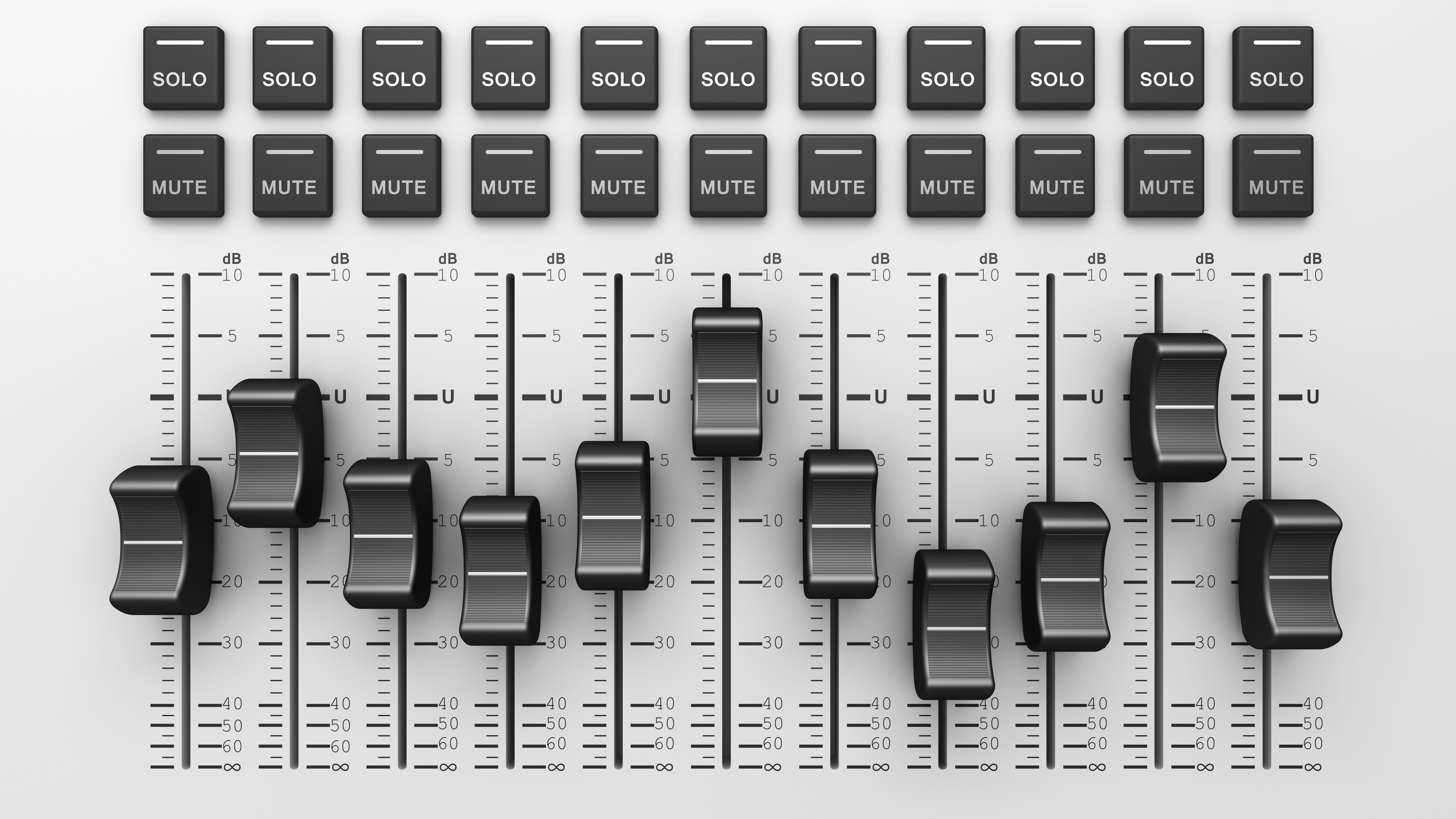
Re-recording mixing, often referred to as the final mix, is a crucial stage in the post-production process of film and television. This art involves blending all the audio elements—dialogue, sound effects, and music—into a cohesive and immersive auditory experience. While it may seem like a straightforward task, re-recording mixing is both an art and a science that requires a keen ear, technical expertise, and creative vision.
The Elements of Re-recording Mixing
At its core, re-recording mixing involves three primary elements:
- Dialogue: The clarity and intelligibility of dialogue are paramount. Mixers must ensure that the audience can understand every word while maintaining a natural sound.
- Sound Effects: These add depth and realism to the visual elements. From footsteps to explosions, sound effects help tell the story.
- Music: Music sets the tone and emotion of a scene. A skilled mixer knows how to blend music seamlessly with other audio elements without overpowering them.
The Art of Balancing
Re-recording mixing is an art form that requires balancing these audio elements to support the narrative. Mixers must be adept at making creative decisions that enhance the emotional impact of a scene. For instance, a tense sequence might require subtle background sounds to build suspense, while a dramatic moment could benefit from a powerful musical score.
The Science of Mixing Tools
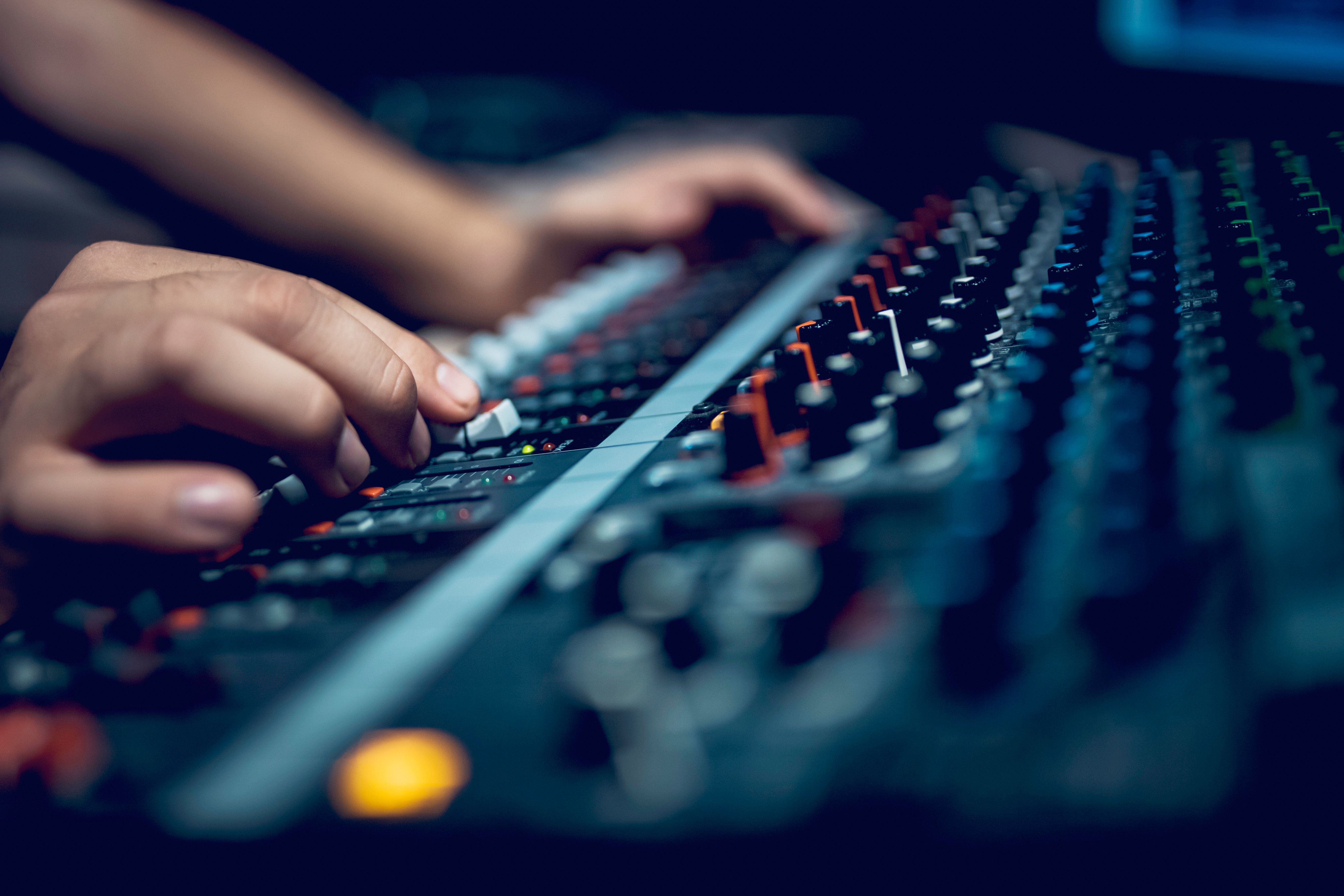
Behind the scenes, re-recording mixing involves sophisticated technology and software. Mixers use digital audio workstations (DAWs) equipped with a variety of plugins to manipulate sound. Tools such as equalizers, compressors, and reverbs allow mixers to shape the audio landscape precisely. Understanding how these tools work is crucial for achieving the desired sound.
Collaboration in Re-recording Mixing
The process is highly collaborative, involving directors, producers, and sound designers. Effective communication is essential to ensure that everyone's vision aligns. Mixers often receive feedback and make adjustments accordingly, ensuring that the final product meets creative expectations.
The Role of Technology in Modern Mixing
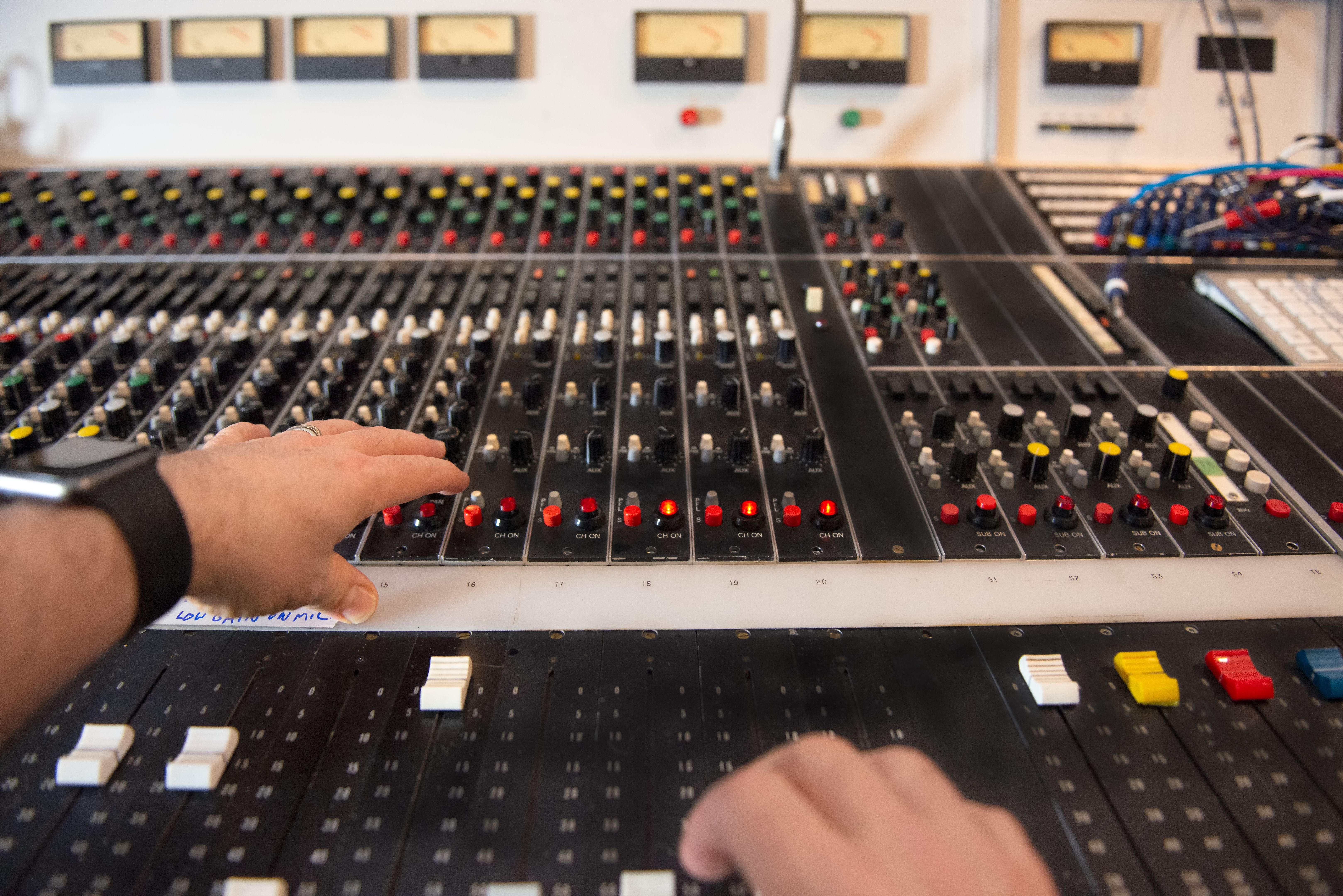
Advancements in technology have revolutionized re-recording mixing. Virtual reality and immersive sound formats like Dolby Atmos have opened new possibilities for creating three-dimensional audio experiences. These technologies allow mixers to place sounds with pinpoint accuracy, enveloping the audience in the story.
Challenges Faced by Re-recording Mixers
Despite technological advancements, re-recording mixing presents several challenges. Achieving balance without losing clarity can be difficult, especially in complex scenes with multiple audio layers. Additionally, tight deadlines and budget constraints often add pressure to deliver high-quality results efficiently.
The Future of Re-recording Mixing
As the entertainment industry evolves, so too does the role of re-recording mixers. The demand for high-quality audio experiences continues to grow, and mixers must stay abreast of new techniques and technologies. The future promises exciting developments that will further push the boundaries of what is possible in audio storytelling.